

Introduction
Have you ever seen the word Kovových and felt confused about what it means? You are not alone. Many people notice Kovových in product labels, manuals, or online stores and pause because the word looks unfamiliar. It does not sound English, yet it often appears in descriptions of tools, furniture, construction items, or machine parts. This naturally creates curiosity. People search for Kovových because they want to understand what a product is made of and whether it is strong, durable, or safe to use.
In simple terms, Kovových is connected to metal materials. It usually describes something made from metal or related to metallic components. When shopping online or reading technical documents, understanding this word helps you make better decisions. This article will clearly explain the meaning of Kovových, its language origin, and why it appears in translated content. We will also explore its industrial use, daily life applications, benefits, limitations, environmental impact, and the future of metal materials. By the end, the word Kovových will feel simple, practical, and easy to understand.
What Does Kovových Mean?
Kovových is a Czech word that means “of metal” or “metal-related.” It describes items made from metal or connected to metallic materials. When you see Kovových in a sentence, it usually refers to metal parts, metal structures, or metal-based products.
The word comes from the Slavic root “kov,” which means metal. In English, the closest equivalent words are “metallic” or “metal-based.” For example, if a description says “Kovových components,” it means the components are made of metal. The word itself is not the name of a specific metal like steel or aluminum. Instead, it is a general descriptive term used to show that something belongs to the category of metal materials.
You may see Kovových appear untranslated online because some websites use automatic translation tools or keep original technical terms from Czech or Slovak sources. In technical and product descriptions, precise material language is important, so companies sometimes retain the original form. Understanding that Kovových simply means metal-related removes confusion and helps you focus on the quality and properties of the product.
Linguistic Origin and Translation Context
To fully understand Kovových’s meaning in English, it helps to look at its linguistic background. The word comes from Czech and is also closely related to Slovak, both of which are Slavic languages. The root word “kov” means metal. When different endings are added in these languages, the word changes form to match grammar rules such as plural or case structure. That is why you may see the form “kovových” instead of just “kov.”
The form Kovových often appears as a grammatical variation that describes metal objects in a specific context, such as “of metal parts” or “of metallic structures.” This explains why it may look complex to English readers. However, its core meaning remains simple and consistent.
International websites sometimes keep original words like Kovových in translated content. This can happen in product catalogs, engineering documents, or technical manuals where precise terminology is important. Searching for Kovových translation or Kovových material meaning usually leads to explanations about metal-based products. Understanding these translation details helps avoid confusion and allows readers to interpret material information correctly.
Kovových in Product Descriptions and E-Commerce
In online shopping and product listings, material transparency is very important. When customers buy furniture, tools, or machinery, they want to know what the product is made from. If a listing mentions Kovových parts or Kovových construction, it signals that the item includes metal components. This can influence buying decisions because metal is often linked to strength and durability.
For example, a table described as having a Kovových frame suggests a metal frame that can support weight better than some plastic alternatives. A machine with Kovových components indicates that critical parts are metallic, which usually improves reliability. In furniture, Kovových supports or connectors often mean stronger joints and longer lifespan.
Translated listings may retain the term Kovových if the original manufacturer is based in Central Europe. Instead of fully replacing it with “metallic,” the translation may leave the word unchanged. For buyers, understanding this term makes it easier to evaluate product quality. It helps them compare strength, expected lifespan, and resistance to wear before making a purchase decision.
Types of Kovových (Metallic) Materials
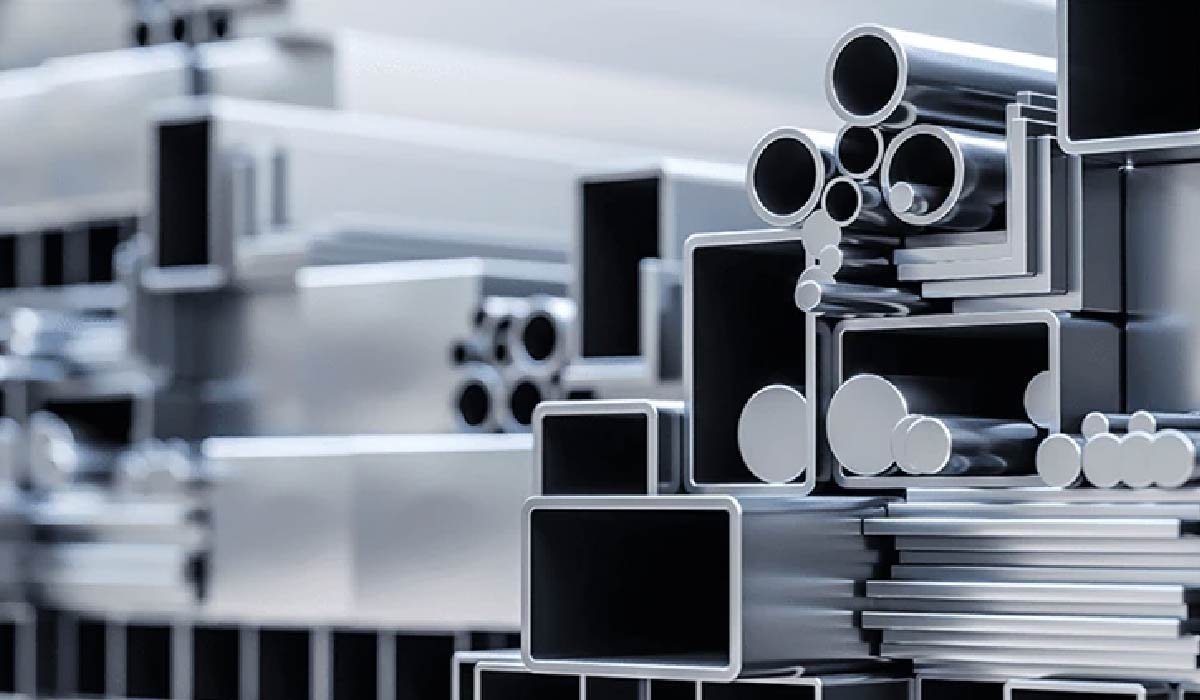
Kovových materials include a wide range of metals used in construction, manufacturing, and daily products. These materials are generally divided into ferrous metals, non-ferrous metals, and metal alloys. Each category has different properties and uses.
Ferrous metals contain iron and are known for their strength and toughness. Steel is the most common example and is widely used in buildings, vehicles, and heavy machinery. Cast iron is another ferrous metal often used in pipes and engine blocks. Structural iron and steel beams are essential in construction because they support heavy loads and provide stability.
Non-ferrous metals do not contain iron and are often more resistant to corrosion. Aluminum is lightweight and used in window frames, aircraft parts, and electronics. Copper is highly conductive and commonly used in electrical wiring. Zinc and titanium are also important non-ferrous metals used for protective coatings and high-strength applications.
Metal alloys are mixtures of two or more metals designed to improve performance. Stainless steel combines iron with chromium and sometimes nickel to resist rust. Brass is made from copper and zinc and is often used in fittings and decorative items. Bronze, made from copper and tin, has been used for tools and sculptures for centuries. Each type of Kovových material matters because it offers specific advantages in strength, weight, corrosion resistance, and cost.
Physical and Chemical Properties of Kovových Materials
The properties of Kovových materials explain why they are widely used across industries. One of the most important metallic properties is strength and durability. Metals can withstand heavy loads and mechanical stress without breaking easily. This makes them ideal for buildings, bridges, and machines.
Electrical conductivity is another key characteristic. Many metals, especially copper and aluminum, allow electricity to flow efficiently. This property is essential for power transmission lines, circuit boards, and household wiring. Thermal conductivity is also important because metals can transfer heat effectively. This makes them suitable for cookware, heat exchangers, and cooling systems.
Malleability and ductility are metal material characteristics that allow metals to be shaped and stretched without cracking. This enables manufacturers to create wires, sheets, and complex components from solid metal. Resistance to wear is another benefit, especially in machinery where parts move against each other.
Recyclability is one of the strongest advantages of Kovových materials. Metals can be melted and reused multiple times without losing their core properties. These properties of Kovových materials make them essential for modern engineering and long-term sustainability.
Applications of Kovových Materials in Modern Industry
Kovových materials play a central role in modern industry. In construction and infrastructure, steel beams, reinforcement bars, and metal frameworks provide structural stability. Tall buildings, bridges, and tunnels depend on metal for safety and strength. Without metallic support, modern architecture would not be possible.
In automotive manufacturing, metal is used in car frames, engines, and suspension systems. Steel provides crash resistance, while aluminum reduces weight to improve fuel efficiency. Aerospace industries rely on lightweight alloys and titanium to build aircraft structures that must be strong yet light.
Electronics depend heavily on metallic materials. Copper wiring carries electricity, while gold-plated connectors ensure reliable signal transmission. Energy systems also use metal extensively in turbines, pipelines, and transmission towers. In medical equipment, stainless steel and specialized alloys are used in surgical instruments and implants because of their strength and resistance to corrosion.
Metal is preferred in these industries because it offers structural stability, precision engineering capability, and high safety standards. Kovových materials ensure that machines operate reliably and that buildings remain secure for decades.
Kovových in Daily Life
Even outside heavy industry, Kovových materials are present in daily life. In the kitchen, utensils, sinks, and cookware are often made from stainless steel or aluminum. These materials are easy to clean and resistant to heat. Furniture frequently includes metal frames or connectors that increase strength and stability.
Door handles, locks, and hinges are usually metallic because they must withstand repeated use. Electronics such as smartphones and laptops contain metal casings and internal conductive parts. Transportation systems, including bicycles and buses, rely on metal frames and components.
Outdoor infrastructure, such as railings, streetlights, and benches, also depends on metal for durability. Metal is often invisible because it is covered by paint or other materials, but it remains essential underneath. Kovových materials quietly support daily activities and provide reliability in countless small ways.
Advantages of Kovových Materials
One major advantage of Kovových materials is their long lifespan. Properly maintained metal products can last for decades. This reduces the need for frequent replacement and makes them cost-effective over time. High load capacity is another advantage because metal can support a heavy weight without bending or breaking.
Structural integrity ensures that buildings and machines remain stable under pressure. Heat resistance allows metal components to function in high-temperature environments such as engines or industrial furnaces. Recyclability supports environmental goals by reducing waste and conserving resources.
Versatility is also important. Metal can be formed into sheets, rods, wires, and complex shapes. This flexibility allows engineers and designers to create both simple tools and advanced technological systems. Industries choose metal over plastic or wood when strength, safety, and durability are critical factors.
Limitations and Challenges of Kovových Materials
Despite their many benefits, Kovových materials also have limitations. Corrosion and rust can affect certain metals, especially iron and steel, when exposed to moisture and oxygen. Protective coatings and stainless alloys help reduce this problem, but it remains a consideration in outdoor use.
Weight can also be a challenge. Some metals are heavy, which can increase transportation costs or require stronger support structures. This is why lightweight alloys are often developed for industries like aerospace.
Metal production is energy-intensive. Extracting ore and refining it into usable metal requires significant energy. Rare metals such as titanium can also be expensive, increasing product costs. Mining activities may impact the environment if not managed responsibly. Modern engineering addresses these challenges through better coatings, improved alloy design, and more efficient recycling systems.
Environmental Impact and Sustainability of Kovových Materials
The environmental impact of Kovových materials includes both positive and negative aspects. Recycling is a major advantage because metals can be reused without losing quality. This supports a circular economy where materials are kept in use for as long as possible. Recycling also uses less energy than producing new metal from raw ore.
However, mining and smelting can produce emissions and disturb ecosystems. Sustainable mining practices and cleaner production technologies are becoming more common in 2026. Green metallurgy focuses on reducing carbon emissions and improving energy efficiency in metal production.
Advanced recycling systems are helping industries reduce waste. Many countries now prioritize metal recovery from old buildings, vehicles, and electronics. By combining recycling, responsible sourcing, and energy-efficient manufacturing, Kovových materials can remain an essential yet more sustainable part of modern society.
Innovations and Future of Kovových Materials
The future of Kovových materials is driven by innovation. Lightweight alloys are being developed to reduce energy consumption in transportation. Nanometals engineered at a microscopic scale offer improved strength and performance. Smart metals that react to heat or pressure are being explored for robotics and medical devices.
Three-dimensional metal printing is transforming manufacturing. It allows precise components to be produced with less waste. Corrosion-resistant coatings are improving durability in harsh environments. Artificial intelligence is also being used to design stronger and more efficient alloys.
These advancements show that metal remains central to technological progress. As industries demand better performance and sustainability, Kovových materials will continue evolving. The future will likely bring stronger, lighter, and more environmentally friendly metal solutions.
How to Identify High-Quality Kovových Products
Identifying high-quality Kovových products requires attention to detail. Clear material labeling is important. A reliable manufacturer will specify whether the product is stainless steel, aluminum, or another alloy. Surface finish can indicate durability. Smooth, even coatings suggest proper treatment against rust.
Certifications from recognized standards organizations can provide assurance of quality and safety. Corrosion protection signs, such as galvanization or powder coating, show that the product is designed for long-term use. Checking joints, welds, and overall build quality also helps determine strength.
Understanding these factors allows buyers to evaluate metal products with confidence. By recognizing quality indicators, customers can choose Kovových items that provide durability and value.
Conclusion
Kovových may appear to be a complex foreign word, but its meaning is straightforward. It simply refers to something made from metal or related to metallic materials. Understanding this term helps clarify product descriptions and technical documents.
Metal plays a vital role in industry, infrastructure, and daily life. From buildings and vehicles to kitchen tools and electronics, Kovových materials provide strength, reliability, and versatility. While there are environmental and production challenges, recycling and innovation continue to improve sustainability.
Kovových is more than a foreign word. It represents the backbone of modern engineering and daily life. By understanding its meaning and importance, readers gain clearer insight into the materials that shape the world around them.
More Links:
For More: Globe Way Magazine