

Introduction
Kotora Melnkalne is a phrase that has recently started appearing in online travel searches, leaving many people wondering whether it refers to a real destination or something entirely different. In simple terms, Kotora Melnkalne is connected to Kotor, Montenegro, one of the most historic and visually stunning coastal towns in Southeast Europe.
The growing curiosity around this term reflects a larger trend in global travel, where people are searching for authentic, scenic, and culturally rich places rather than crowded commercial resort cities. As interest in the Adriatic coast continues to rise, especially among travelers looking for UNESCO towns in Europe and Mediterranean hidden gems, the phrase Kotora Melnkalne has naturally gained attention across blogs, travel forums, and digital tourism guides.
One of the main reasons this keyword is trending is the increasing demand for meaningful travel experiences. Modern travelers want destinations with history, architecture, and local culture, not just beaches and nightlife. Kotor, the place associated with Kotora Melnkalne, fits this demand perfectly. It combines medieval stone streets, dramatic mountains, calm bay waters, and a preserved urban structure that feels untouched by time. In this article, you will learn the full meaning of Kotora Melnkalne, its exact location, its rich history stretching back over two thousand years, its major attractions, UNESCO status, best seasons to visit, travel tips, and cultural insights that make it one of the most fascinating destinations on the Adriatic coast.
What Does Kotora Melnkalne Mean?
Kotora Melnkalne refers to Kotor, Montenegro, a historic coastal town located along the Bay of Kotor in Southeast Europe. The phrase is not an official geographic name but is commonly associated with travel searches and online tourism discussions related to Kotor and its surrounding region. “Kotora” connects directly to Kotor, while “Melnkalne” appears linked to Montenegro, whose name historically translates to “Black Mountain.”
Although Kotora Melnkalne does not appear on official maps, it has gained visibility through digital travel content and keyword variations used in search engines. Travelers typing this phrase are usually looking for information about Kotor’s history, architecture, UNESCO recognition, and scenic landscapes. As more people explore lesser-known European towns, search terms sometimes evolve in creative or slightly altered forms, which explains how Kotora Melnkalne became connected to this historic Adriatic destination. Most people searching this phrase are interested in travel guides, historic coastal towns, UNESCO heritage sites, and unique Adriatic experiences rather than mainstream tourist hotspots.
Where Is Kotora Melnkalne Located?
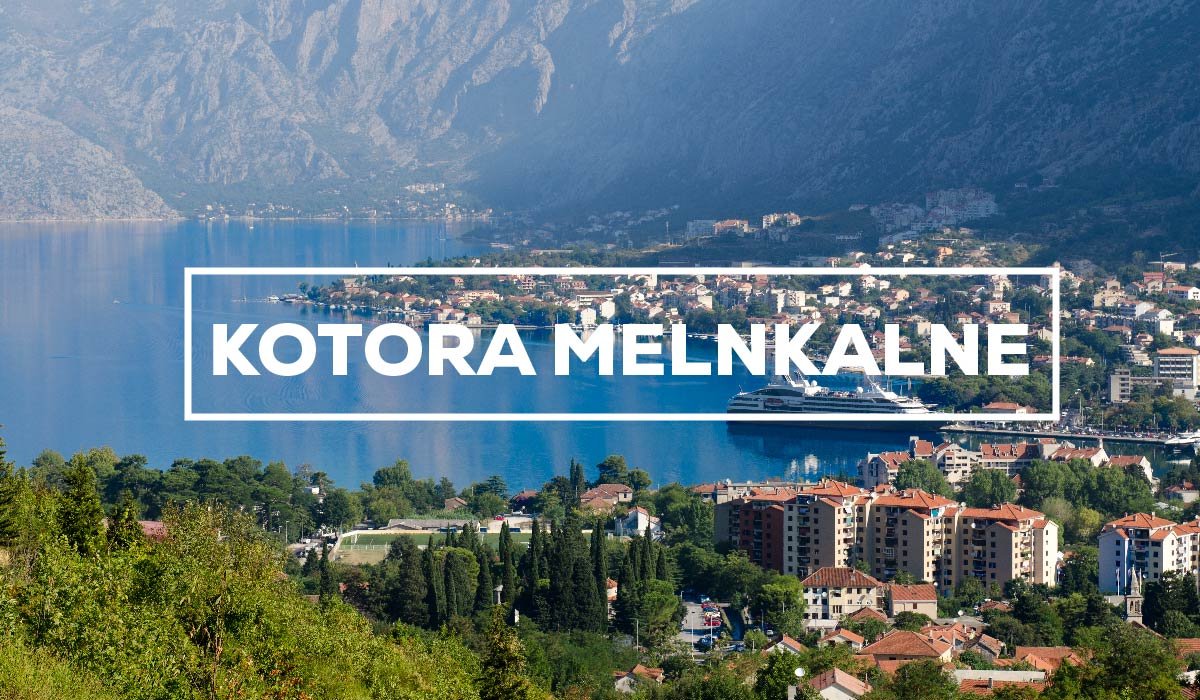
Kotor, referred to as Kotora Melnkalne, is located in southwestern Montenegro along the Bay of Kotor, a breathtaking coastal inlet connected to the Adriatic Sea. Montenegro itself lies in Southeast Europe on the Balkan Peninsula, bordered by Croatia, Bosnia and Herzegovina, Serbia, Kosovo, and Albania. Kotor sits between towering limestone mountains and calm coastal waters, creating a dramatic natural setting that has shaped its identity for centuries. Nearby cities include Budva to the south, Dubrovnik in neighboring Croatia to the northwest, and Tivat just a short drive away. This strategic location allowed Kotor to become an important maritime and trading center throughout history.
The Bay of Kotor is often mistaken for a fjord because of its deep, narrow shape surrounded by steep mountains. However, it is technically a ria, which is a flooded river valley rather than a glacier-carved fjord. This unique geographical formation gives the area its distinctive appearance, blending mountain scenery with Mediterranean coastal charm. The combination of sea access and natural protection made the town historically valuable for trade and defense, influencing its architecture, culture, and development over more than two millennia.
The History of Kotora Melnkalne – Over 2,000 Years of Civilization
The story of Kotora Melnkalne begins more than two thousand years ago during the Roman era, when early settlements developed along the Adriatic coast due to the region’s strategic maritime position. The Romans recognized the value of the protected bay and established infrastructure that allowed trade and communication to flourish. Archaeological traces indicate that Kotor became an organized settlement during this period, laying the foundation for its later growth.
During the Byzantine period, the town gained defensive importance as empires sought control over key Adriatic ports. Churches and early religious structures were built, reflecting the spread of Christianity across the region. The Byzantine influence helped shape Kotor’s early architectural and cultural identity, adding layers to its historical character.
The most influential era in the history of Kotora Melnkalne came under Venetian rule, which lasted for centuries. The Venetians constructed much of the defensive walls and fortification systems that still surround the Old Town today. Stone buildings, narrow alleyways, and elegant squares were developed during this time, giving Kotor its recognizable medieval appearance. Trade routes connected the town with other Adriatic cities, and cultural blending between Venetian and local Balkan traditions created a distinctive identity that remains visible in architecture and customs.
Following Venetian control, the region experienced periods of Ottoman and Austro-Hungarian influence. Although political control shifted, the town maintained its maritime significance and cultural mixture. Each empire left traces in administration, design, and daily life, enriching the town’s historical complexity. In modern times, Montenegro declared independence in 2006, and Kotor emerged as one of the country’s most important cultural and tourist destinations. Tourism growth has been steady, but careful preservation efforts have ensured that the town’s historical core remains largely intact.
Why Kotora Melnkalne Is a UNESCO World Heritage Site
Kotora Melnkalne gained UNESCO World Heritage recognition in 1979 due to its exceptionally well-preserved medieval urban structure and historical significance along the Adriatic coast. The Old Town of Kotor stands as a rare example of fortified medieval architecture that survived natural disasters, wars, and political transitions. The massive stone walls climbing up the mountainside form one of the most impressive defensive systems in Europe.
UNESCO recognized the site for its cultural maritime history, preserved churches, palaces, and urban layout that reflects centuries of Adriatic trade and defense strategies. Unlike many European cities that modernized heavily over time, Kotor retained its authentic medieval atmosphere. The survival of its architectural identity through earthquakes and conflicts distinguishes it from other historic towns, making it a valuable symbol of cultural continuity and preservation.
Top Attractions in Kotora Melnkalne
The heart of Kotora Melnkalne lies within the Old Town, known locally as Stari Grad. Surrounded by thick stone walls, this pedestrian-only area features a maze of cobblestone streets, hidden courtyards, and centuries-old buildings. Walking through the Old Town feels like stepping back into medieval Europe, where every corner reveals small squares, churches, and traditional houses built from limestone. Cafes and local shops operate within historic structures, blending daily life with architectural heritage.
One of the most iconic landmarks is St. Tryphon Cathedral, built in 1166. This Romanesque masterpiece has endured earthquakes and restorations while preserving its religious importance. Its twin towers and interior artwork reflect the deep spiritual traditions of the region.
The San Giovanni Fortress, also known as St. John’s Fortress, offers one of the most spectacular viewpoints in Montenegro. Climbing more than 1,300 stone steps to reach the top is physically demanding, but the panoramic view of the Bay of Kotor rewards every effort. The best time to climb is early morning or late afternoon to avoid intense summer heat.
The city walls themselves are a major attraction, stretching high into the mountains and showcasing medieval defensive engineering. The Maritime Museum highlights Kotor’s naval heritage and its historic role in Adriatic trade. Boat tours across the Bay of Kotor allow visitors to explore nearby coastal villages and capture unforgettable photographs of the mountain-meets-sea landscape.
Natural Beauty Around Kotora Melnkalne
Kotora Melnkalne is surrounded by limestone mountains that rise sharply above crystal-clear coastal waters, creating one of the most dramatic natural settings in Europe. The contrast between rugged peaks and calm sea gives the region a unique identity. Small coastal villages line the bay, offering peaceful scenery and traditional architecture. Sunset views over the water are particularly striking, making the area a favorite for photographers and nature lovers. This rare combination of mountain and Mediterranean coastline in such a compact space makes Kotor unlike typical beach destinations.
Local Culture and Identity
The culture of Kotora Melnkalne reflects a blend of Mediterranean and Balkan traditions shaped by centuries of trade and empire influence. Local pride is strong, and residents value the preservation of historic stone homes and religious customs. The town maintains a small-community atmosphere where neighbors know each other and traditions are passed down through generations. One charming feature of Kotor is its street cats, which have become symbolic of the town’s identity and are cared for by locals. Markets, cafes, and hospitality traditions reflect a slower lifestyle that prioritizes conversation and community.
Food and Traditional Cuisine in Kotora Melnkalne
Cuisine in Kotora Melnkalne reflects its coastal geography and cultural mixture. Seafood plays a central role, with dishes such as grilled fish and black risotto being local favorites. Mediterranean herbs enhance flavors, while regional cheeses and cured meats reflect Balkan culinary traditions. Fresh ingredients from both sea and mountains influence the menu, creating meals that feel authentic and rooted in place.
Best Time to Visit Kotora Melnkalne
Spring offers mild temperatures and fewer tourists, making it ideal for hiking and photography. Summer brings peak tourism, cruise ships, and festivals, creating a lively atmosphere. Autumn provides balanced weather and reduced crowds, perfect for relaxed exploration. Winter is quiet and allows visitors to experience local life without heavy tourism. For hiking enthusiasts, spring and autumn are best, while summer suits those seeking vibrant energy.
How to Get to Kotora Melnkalne
Kotora Melnkalne is easily accessible via Tivat Airport, located just fifteen minutes away. Podgorica Airport offers additional connections, while Dubrovnik Airport in Croatia is another popular option for international travelers. Scenic coastal drives connect Kotor with neighboring cities, and boat access adds a unique arrival experience. First-time visitors should plan transportation in advance during peak season.
Why Kotora Melnkalne Is Trending Online
Interest in Kotora Melnkalne reflects rising curiosity about Adriatic destinations and UNESCO towns. Unique keyword variations often appear in search engines as travelers explore hidden European towns. Social media photography, especially images of the fortress and bay, has increased digital visibility. The broader trend toward discovering “Hidden Europe” has further fueled interest in this historic coastal town.
Travel Tips for Visiting Kotora Melnkalne
Visitors should wear comfortable shoes because stone streets can be uneven. Starting the fortress hike early helps avoid heat. Booking accommodation in advance during summer is recommended. Carrying water for climbs is essential. Respect for historical structures is important, as preservation is a priority. Montenegro uses the Euro, making transactions straightforward for European travelers.
Is Kotora Melnkalne Worth Visiting?
Kotora Melnkalne is ideal for history lovers, photographers, and slow travelers who appreciate cultural depth and scenic landscapes. It may not suit those seeking intense nightlife, but it offers a compact yet rich experience filled with architectural beauty and mountain views.
Conclusion
Kotora Melnkalne represents the timeless charm of Kotor, Montenegro, blending historical importance, scenic beauty, cultural authenticity, and UNESCO recognition into one unforgettable destination. Its mountain-and-sea setting creates a dramatic backdrop rarely matched elsewhere in Europe. For travelers seeking meaningful experiences rooted in history and nature, this Adriatic town remains a remarkable choice worth discovering.
For More: Globe Way Magazine