

Table of Contents
ToggleIntroduction
Tiimatuvat is gaining attention online, and many people are curious about what it truly means. Some believe it refers to traditional Finnish homes, while others think it describes nature cabins, a unique design concept, a sustainability philosophy, or even a modern innovation mindset. This confusion has increased search interest, especially as global audiences become more fascinated with Nordic living, eco-friendly architecture, and slow, intentional lifestyles rooted in nature. The rising popularity of Scandinavian minimalism, sustainable housing trends, and cultural heritage preservation has brought Tiimatuvat into broader discussions beyond Finland.
Search volume may also be growing because people today are actively looking for alternatives to fast urban living. Cultural revival movements in Europe have renewed appreciation for traditional craftsmanship and wooden architecture. At the same time, sustainable architecture has become a global priority due to climate change concerns. Finland’s reputation for eco-conscious design and harmonious living with nature naturally draws attention to Tiimatuvat. Additionally, the digital era has reinterpreted many traditional concepts, presenting them as symbols of resilience, adaptability, and mindful living. This blend of heritage and modern relevance makes Tiimatuvat particularly intriguing.
In this article, you will learn the exact Tiimatuvat meaning, its historical roots, architectural features, and how climate shaped its design. You will also discover its role in travel experiences, sustainability principles, cultural importance, modern adaptations, and why it remains relevant today. By the end, you will understand why Tiimatuvat is not just a building style but a reflection of Finnish identity and environmental wisdom.
What Is Tiimatuvat?
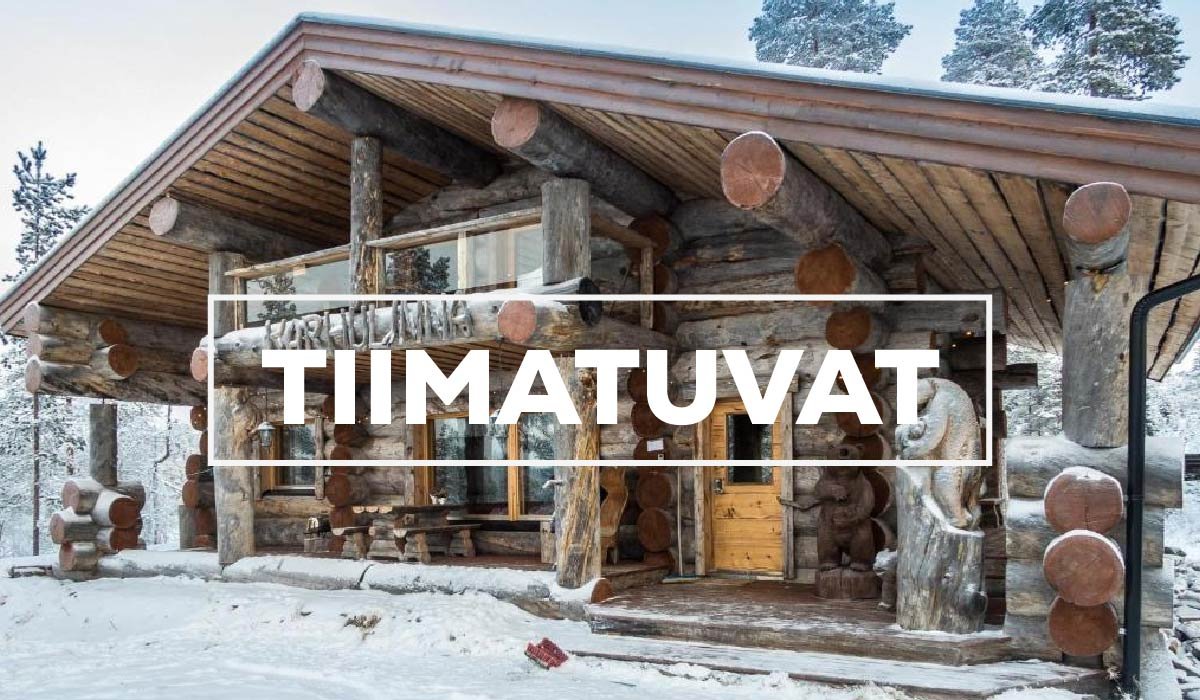
Tiimatuvat refers to traditional Finnish wooden dwellings characterized by log construction, compact layouts, climate-responsive design, and strong integration with nature. Historically rooted in rural Finland, Tiimatuvat symbolize resilience, sustainability, and cultural heritage.
The term is not widely recognized in mainstream international dictionaries, which is one reason why many people search for clarification. Linguistically, Tiimatuvat appears in plural form, suggesting multiple dwellings or a category of similar homes rather than one specific building. In the historical context, it connects to traditional Finnish housing practices where families built sturdy wooden homes designed to survive harsh Nordic winters.
Depending on context, Tiimatuvat may refer to traditional rural homes, nature cabins used for retreats, a cultural housing style passed down through generations, or even a modern reinterpretation philosophy that promotes sustainable and mindful living. While the historical meaning is architectural, modern interpretations sometimes frame Tiimatuvat as a symbol of adaptive growth and environmentally responsible design. Regardless of the context, the core idea remains connected to wood-based construction, functional simplicity, and harmony with the surrounding landscape.
The Origin and Historical Evolution of Tiimatuvat
The Tiimatuvat history begins in early agrarian Finland, when communities relied heavily on self-sufficiency and local resources. Finland’s vast forests provided abundant timber, making wood the most logical and accessible building material. Rural families constructed log homes using traditional interlocking techniques that required precision and craftsmanship rather than nails or metal fasteners. These early Finnish log homes were designed primarily for survival, offering insulation against freezing temperatures and protection from snow and wind. The Nordic architecture tradition developed from necessity, shaped by long winters, limited daylight, and remote living conditions.
During the 18th and 19th centuries, Tiimatuvat evolved as society gradually modernized. While the core log structure remained intact, homes began to include decorative wood carvings and improved spatial organization. Larger windows were introduced to maximize natural light during dark winter months, and interiors were rearranged to better accommodate growing families. These improvements reflected social and economic development while preserving architectural identity.
The Industrial Era brought new tools and refined craftsmanship. Sawmills improved timber processing, and construction techniques became more standardized. Urban influence introduced subtle stylistic changes, yet rural areas maintained traditional designs. In the 20th century, cultural preservation movements recognized the importance of protecting Finland’s architectural heritage. Tiimatuvat became symbols of national identity, representing resilience and self-reliance.
In the 21st century, Tiimatuvat has gained renewed attention due to eco-architecture inspiration and cabin tourism trends. Nordic minimalism, sustainability awareness, and digital detox travel experiences have reintroduced these traditional homes to global audiences. While modern versions may include updated insulation and technology, they continue to reflect the values of simplicity, environmental harmony, and practical design.
Core Architectural Features of Tiimatuvat
One of the most defining features of Tiimatuvat is log construction. Builders used interlocking timber joints that fit precisely together without modern fasteners. This technique created strong, airtight walls capable of retaining heat during extreme winters. The natural insulation properties of wood made these homes energy-efficient long before sustainability became a global concern.
Climate-responsive design is another essential feature. Thick wooden walls prevent heat loss, while steep-pitched roofs allow snow to slide off easily, preventing structural damage from heavy snowfall. Snow load management is crucial in Finland, where winter accumulation can be significant. The shape and angle of the roof reflect a deep understanding of environmental conditions.
The compact and functional layout of Tiimatuvat focuses on heat retention and practicality. Rooms are often centered around a large fireplace, which acts as the primary heating source. Multi-purpose spaces maximize efficiency, allowing small areas to serve several functions. This efficient use of space reflects the resource-conscious mindset of rural communities.
Natural light optimization is carefully considered. Window placement balances the need for daylight with heat conservation. Seasonal daylight adaptation ensures maximum brightness during shorter winter days while minimizing energy loss.
Harmony with the landscape remains a defining principle. Tiimatuvat are typically built near forests or lakes, blending into their surroundings with minimal environmental disruption. The structures appear as natural extensions of the land rather than artificial impositions.
Role of Finnish Climate in Shaping Tiimatuvat
Finland’s long winters, limited sunlight, heavy snowfall, and strong winds significantly influenced Tiimatuvat’s design. Insulation strategies were prioritized to preserve indoor warmth. Thick timber walls reduce heat transfer, while smaller windows limit cold air infiltration. Fireplace centralization ensures efficient heat distribution throughout the home.
Ventilation systems were also thoughtfully designed. Proper airflow prevents moisture buildup, which can damage wooden structures over time. Builders incorporated adjustable vents and natural ventilation paths to maintain a healthy indoor environment. Climate is the primary architectural driver behind Tiimatuvat, shaping every structural and spatial decision.
Materials Used in Tiimatuvat Construction
Traditional Tiimatuvat rely on locally sourced natural materials that enhance sustainability and durability.
Table: Common Materials Used in Tiimatuvat
| Material | Purpose | Benefits |
|---|---|---|
| Timber Logs | Main structure | Insulation & durability |
| Stone | Foundation & fireplace | Heat retention |
| Clay | Sealing | Moisture resistance |
| Glass | Windows | Natural light |
| Thatch/Wood Shingles | Roofing | Snow protection |
The sustainability angle is clear. Renewable timber reduces carbon footprint, and local sourcing minimizes transportation impact. These practices align closely with modern green building movements.
Interior Design and Living Experience in Tiimatuvat
The interior of Tiimatuvat emphasizes wooden surfaces, minimalistic furniture, handcrafted décor, and warm textiles. Fireplace-centered living creates a cozy atmosphere that encourages family bonding. Functional simplicity defines each room, with every item serving a practical purpose. Nordic simplicity avoids clutter and promotes calmness. The design fosters emotional warmth and community connection.
Tiimatuvat as Nature Cabins and Retreats
Modern travelers search for Tiimatuvat stays because they offer secluded forest settings, lakeside cabins, and mountain retreats. Eco-tourism experiences attract visitors seeking sustainable accommodations and digital detox escapes. These cabins allow people to disconnect from urban stress and reconnect with nature’s rhythm.
Benefits of Staying or Living in a Tiimatupa
✔️ Connection to nature – Direct immersion in forests and landscapes
✔️ Sustainable lifestyle – Eco-friendly building materials and energy efficiency
✔️ Mental relaxation – A peaceful environment reduces stress
✔️ Cultural immersion – Experience authentic Finnish traditions
✔️ Community bonding – Shared spaces encourage social connection
✔️ Energy efficiency – Natural insulation reduces heating demand
Modern Adaptations of Tiimatuvat Architecture
Modern Tiimatuvat architecture incorporates cross-laminated timber, smart home integration, solar panels, eco insulation, and contemporary Nordic aesthetics. Tradition merges with technology, maintaining core values while improving performance standards.
Sustainability and Environmental Impact
Renewable timber, passive heating design, compact layouts, and local sourcing make Tiima tuvat environmentally responsible. Their low carbon footprint demonstrates how traditional methods align with modern sustainability goals.
Cultural Significance of Tiimatuvat in Finnish Society
Tiimatuvat symbolize resilience, rural identity, family traditions, and craftsmanship heritage. They represent national pride and historical continuity, reminding Finns of their deep relationship with nature.
Regional Variations Across Finland
Northern Finland homes include extra insulation for extreme cold. Southern versions feature larger windows. Coastal and forest regions influence design flexibility, demonstrating adaptability.
Challenges in Preserving Tiima tuvat
Aging structures, urbanization, modern building codes, restoration costs, and climate impacts threaten preservation. Balancing tradition with regulation presents ongoing challenges.
Preservation Efforts and Heritage Programs
Cultural heritage organizations and government support fund restoration projects. Tourism-based preservation and educational programs increase awareness and protect the architectural legacy.
Tiimatuvat in the Digital and Innovation Context
Some modern interpretations present Tiimatuvat as a metaphor for adaptive growth and sustainable transformation. While not historically intended as a philosophical model, it symbolizes resilience and future-ready living.
Conclusion
Tiimatuvat combines historical depth, architectural brilliance, cultural value, sustainability lessons, and modern relevance. These traditional Finnish homes demonstrate how thoughtful design can withstand climate challenges while nurturing community and environmental harmony. In a world facing rapid urbanization and environmental concerns, Tiima tuvat provides a timeless blueprint for balanced living. Tiima tuvat are more than buildings — they are living examples of how architecture, nature, and culture can coexist in perfect harmony.
For More: Globe Way Magazine