

Introduction
Dampfreis is more than just a simple way of cooking rice; it is a method that turns an everyday ingredient into something truly special. Rice is one of the most widely eaten foods in the world, yet many people still struggle with getting the texture right. Some rice turns sticky and heavy, while other batches become dry or unevenly cooked.
Dampfreis offers a reliable solution by using steam instead of direct boiling, which allows the rice to cook gently and evenly. This method protects the natural flavor of the grain and gives it a soft, fluffy texture that feels light and satisfying.
In this detailed and fully informative article, you will learn exactly what Dampfreis means, how it works, why it is better than traditional boiling, which types of rice work best, how to prepare it step by step, and how to use it in delicious recipes. By the end, you will understand how Damp freis can completely improve your cooking results at home.
What Is Dampfreis?
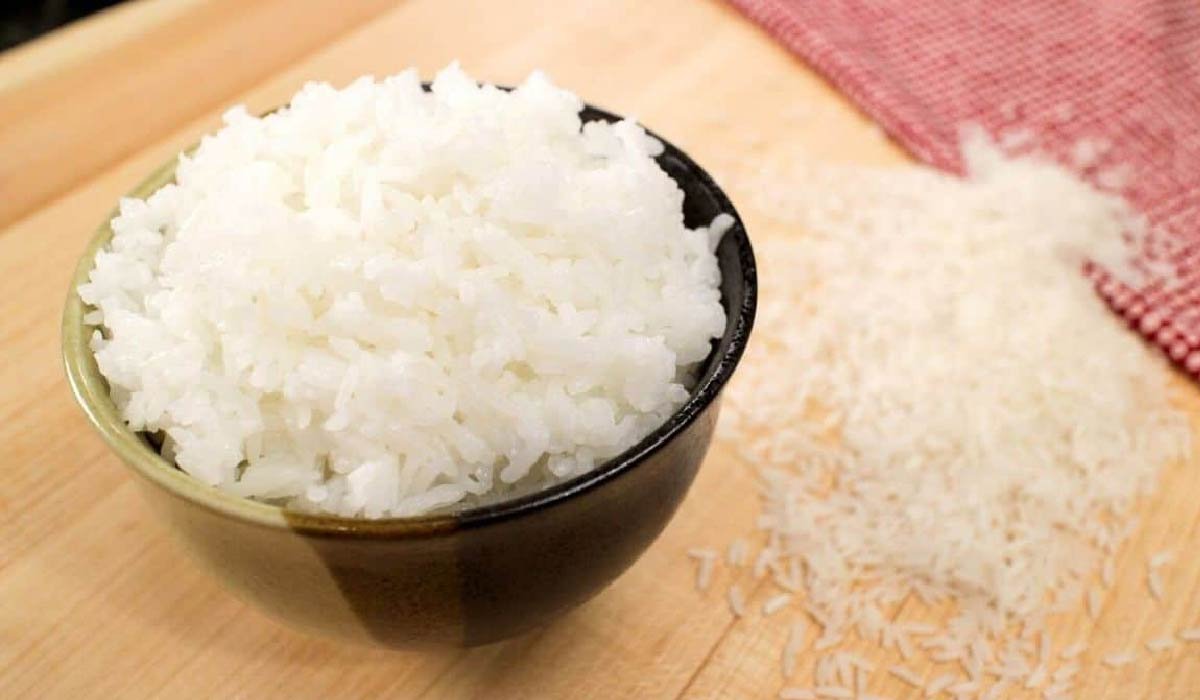
Dampfreis is a cooking method where rice is prepared using steam instead of being submerged and boiled in excess water. The rice absorbs controlled moisture while being gently steamed, resulting in fluffy, separate grains with preserved flavor and nutrients.
Because the heat surrounds the rice evenly through steam, the grains cook at the same rate, reducing the risk of burning or clumping. This method is simple yet highly effective, and it produces consistent results that many home cooks and professional chefs prefer.
What Does Dampfreis Mean?
The word Dampfreis comes from the German language, where “Dampf” means steam and “Reis” means rice, so the literal meaning is “steamed rice.” In Germany and Austria, this term is commonly used to describe rice that is prepared by steaming rather than boiling. Unlike boiled rice, which is cooked in a pot full of water that is later drained or absorbed, Damp freis relies on steam to cook the grains gently and evenly.
This distinction is important because steaming changes the texture and flavor of the rice in noticeable ways. Recently, the term Damp freis has become more popular in cooking blogs and kitchen guides because people are searching for better and healthier cooking methods that improve texture without complicated techniques.
The Science Behind Dampfreis
Understanding the science of Dampfreis helps explain why it produces better results. When rice is exposed to steam, the heat spreads evenly around the grains instead of attacking them through direct contact with boiling water. This controlled heat distribution allows moisture to slowly enter the rice, which leads to proper starch gelatinization.
Starch gelatinization is the process where rice absorbs water and softens as it cooks, and when it happens gradually through steam, the grains stay separate instead of breaking down. Because the rice is not moving rapidly in boiling water, it is less likely to release excess starch into the cooking environment, which is one of the main reasons steaming prevents clumping and stickiness.
The steady temperature also reduces the chance of burning, making Dampfreis both scientifically sound and practical.
Benefits of Cooking Rice with Dampfreis
One of the biggest benefits of Dampfreis is the improved texture it creates, as the grains remain fluffy, light, and separate without becoming mushy. Another advantage is better flavor retention because the rice does not lose its natural taste to excess water, which often dilutes flavor in boiling methods.
Nutrient retention is also higher with Dampfreis since fewer vitamins and minerals are lost during cooking, especially when compared to draining methods. The technique is energy efficient because it uses less water and requires controlled heating rather than aggressive boiling.
Cleanup is easier as well, since there is no starchy overflow or burnt layer stuck to the bottom of the pot. These combined benefits make Damp freis a reliable and healthier approach to preparing rice at home.
Types of Rice Best for Dampfreis
Basmati rice works beautifully with Dampfreis because it produces long, slender grains that stay separate and fluffy when steamed, and it usually requires a rice-to-water ratio of about 1:1.5 for ideal results, making it perfect for curries and grilled dishes.
Jasmine rice also responds well to steaming, offering a slightly soft and aromatic texture that pairs well with stir-fries and Asian recipes, and it often needs slightly less water than basmati. Short-grain rice can also be steamed successfully, although it will naturally be softer and slightly stickier, which makes it suitable for comforting dishes.
Brown rice benefits from Dampfreis because steaming preserves its nutty flavor and nutrients, though it requires more time and slightly more water due to its outer bran layer. Sushi rice can also be prepared using Dampfreis, resulting in a consistent texture that is ideal for shaping rolls once seasoned properly.
How to Make Dampfreis Step by Step
The first step in making Dampfreis is measuring the rice accurately and using the correct rice-to-water ratio, which typically ranges from 1:1.5 for white rice to slightly higher for brown rice. The second step is rinsing the rice thoroughly under cold water until the water runs clear, which removes excess surface starch and prevents stickiness.
Next, prepare the steamer by adding enough water to the lower compartment so that steam can form without touching the rice directly. Place the rinsed rice into the steaming basket and spread it evenly to ensure uniform cooking.
Steam the rice for about 20 to 30 minutes, depending on the type, making sure not to lift the lid too often, as this releases valuable steam. After steaming, allow the rice to rest for five to ten minutes with the lid closed so that moisture redistributes evenly, and then gently fluff the rice with a fork before serving for the best texture.
Dampfreis vs Boiled Rice: Key Differences
When comparing Dampfreis to boiled rice, several clear differences appear that explain why steaming is often preferred. Dampfreis produces a fluffy texture with separate grains, while boiled rice can become sticky or uneven if not carefully managed. Nutrient retention is generally higher with damp fries because vitamins are not lost in excess water.
The flavor of steamed rice is stronger and more natural, while boiled rice can taste slightly diluted. The risk of burning is very low with damp fries since the rice is not in direct contact with intense heat, whereas boiled rice can burn if water evaporates too quickly. These differences highlight why Damp Freis stands out as a superior cooking method for many kitchens.
Common Mistakes When Making Dampfreis
One common mistake when making Dampfreis is using too much water, which can lead to overly soft rice even with steaming. Skipping the rinsing process is another issue, as excess starch can cause clumping. Opening the lid too often during steaming releases heat and steam, which interrupts the cooking process and may result in uneven texture.
Overcrowding the steamer can also prevent steam from circulating properly around the grains. Finally, not allowing the rice to rest after steaming can cause moisture imbalance, leading to slightly wet or uneven results. Avoiding these mistakes ensures consistently perfect Dampfreis.
Best Tools for Making Dampfreis
A traditional stovetop steamer is one of the simplest tools for preparing Dampfreis, offering reliable results and easy control over heat. An electric rice cooker is another excellent option because it automates the process and often includes a steaming function designed specifically for rice.
Bamboo steamers provide a more traditional and natural approach, especially for small batches, although they require careful water monitoring. An Instant Pot or pressure cooker can also be used with a steaming setup, offering faster cooking times while still preserving the benefits of steam cooking. Each tool has advantages and disadvantages, but all can successfully produce Damp freis when used correctly.
Delicious Recipes Using Dampfreis
Vegetable stir fry with Dampfreis is a simple yet flavorful dish made by combining steamed rice with sautéed vegetables and light seasoning for a balanced meal. A coconut curry rice bowl uses Dampfreis as a soft base for creamy curry sauce, grilled chicken, or roasted vegetables, creating a comforting and aromatic dish.
Garlic butter steamed rice adds melted butter and lightly sautéed garlic to freshly prepared Damp freis for a rich side dish that pairs well with grilled meats. Sushi rolls prepared with Damp freis offer a controlled texture that holds shape once seasoned and cooled. Fried rice using leftover Damp freis is another excellent option, as previously steamed rice maintains structure when stir-fried with eggs and vegetables.
Is Dampfreis Healthier Than Other Methods?
Dampfreis can be considered healthier than some boiling methods because it reduces starch runoff and preserves more nutrients within the grain. Since the rice is not submerged in large amounts of water, fewer vitamins are lost during cooking. The method also supports better glycemic balance when portion sizes are controlled, as the grains remain intact and less broken down.
No oil is required for steaming, making it suitable for clean eating and lighter meal plans. These factors make Dampfreis an appealing option for those seeking healthier cooking techniques.
Who Should Use Dampfreis?
Dampfreis is ideal for beginners because it reduces guesswork and produces consistent results. Busy families benefit from its simplicity and minimal cleanup. Health-conscious eaters appreciate the nutrient retention and oil-free cooking method. Meal preppers find it useful because steamed rice stores well and reheats easily. Lovers of Asian cuisine especially value Damp freis for its authentic texture and presentation. This wide appeal shows that Damp freis is suitable for nearly everyone.
Storage and Reheating Tips
Cooked Dampfreis can be stored in the refrigerator for up to three to four days when kept in an airtight container. To re-steam properly, sprinkle a small amount of water over the rice and steam briefly until heated through.
A microwave can also be used by covering the rice with a damp paper towel to recreate steam and prevent drying. It is important to cool rice quickly after cooking and store it safely to avoid bacterial growth. Following these food safety steps ensures that Dampfreis remains fresh and safe to eat.
Conclusion
Dampfreis is a simple yet powerful method that transforms rice into a fluffy, flavorful, and nutritious staple. By using steam instead of direct boiling, this technique preserves texture, improves taste, and minimizes cooking mistakes. It works well with many types of rice and suits both everyday meals and special occasions.
Whether you are a beginner or an experienced cook, mastering Damp freis can improve your kitchen confidence and elevate your dishes. With the right tools, proper technique, and a little practice, perfectly steamed rice becomes easy and consistent. Damp freis is not just a cooking method; it is a smarter way to prepare one of the world’s most important foods, offering better results every single time.
(FAQs)
What is Dampfreis?
Dampfreis is a method of cooking rice using steam instead of boiling it in water. The rice cooks gently through steam, which keeps the grains soft, fluffy, and separate. This method helps preserve flavor and nutrients better than traditional boiling.
Is Dampfreis better than boiled rice?
Yes, Dampfreis is often better because it produces fluffier rice with stronger natural flavor. It also keeps more nutrients inside the grains and reduces the risk of burning or stickiness compared to boiling.
How long does Dampfreis take to cook?
Dampfreis usually takes about 20 to 30 minutes for white rice. Brown rice may take a little longer. After steaming, letting the rice rest for 5 to 10 minutes improves the final texture.
What type of rice is best for Dampfreis?
Basmati and jasmine rice work very well with Dampfreis because they become light and fluffy. Brown rice and sushi rice can also be steamed successfully if the correct water ratio is used.
Can I make Dampfreis without a rice cooker?
Yes, you can make Dampfreis using a simple stovetop steamer, bamboo steamer, or even an Instant Pot. A rice cooker with a steaming function also works well and makes the process easier.
For More: Globe Way Magazine