

Introduction
Masgonzola is becoming a popular topic in 2026 because more people are searching for new and interesting food ideas that are easy to enjoy at home. Many readers come across the word Masgonzola and feel confused because it does not appear like a traditional cheese name.
Some people think it is a real Italian cheese, while others believe it is just a modern blend or even a food trend created online. This confusion has increased curiosity, which is why Masgonzola is now being searched more frequently on Google. At the same time, chefs and home cooks are using Masgonzola in creative recipes, which is helping it grow in popularity across social media and food blogs.
In this complete guide, you will learn everything about Masgonzola in a simple and clear way, including its meaning, origin, taste, uses, nutrition, and comparisons, so you can fully understand why this creamy cheese blend is becoming a favorite in modern cooking.
What Is Masgonzola?
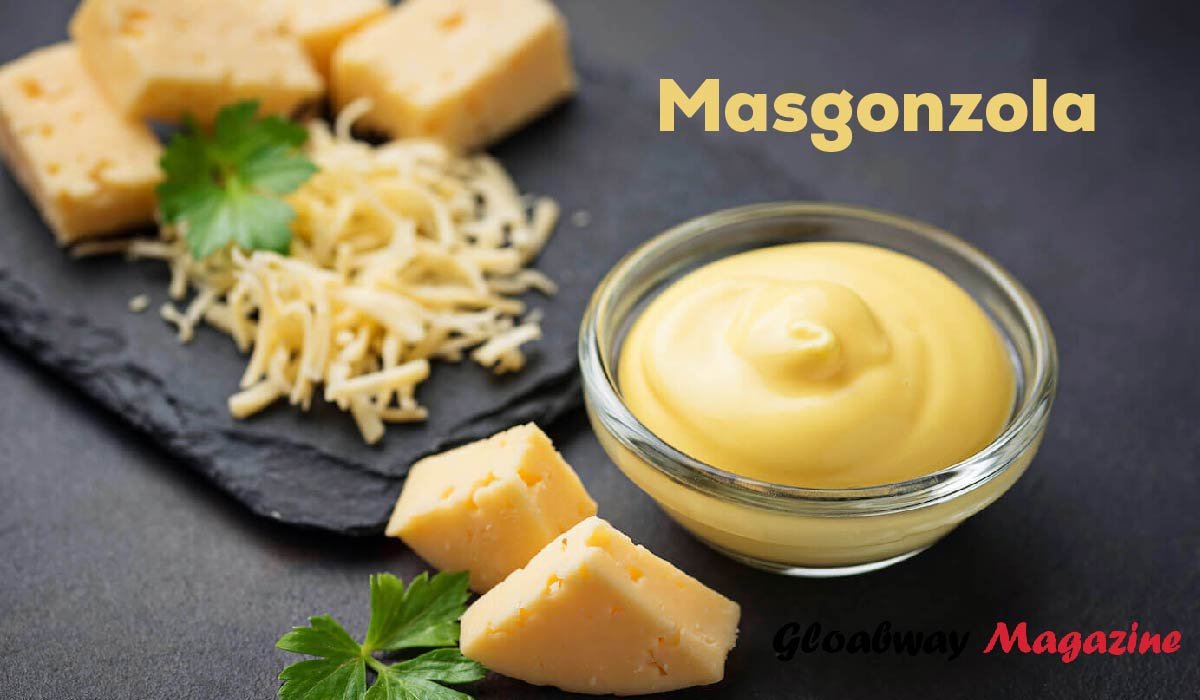
Masgonzola is a soft and creamy cheese blend made by combining mascarpone with Gorgonzola Dolce to create a smooth texture and a mild blue cheese flavor that is easy to enjoy. It is not a traditional protected cheese but a modern culinary concept used in cooking and gourmet dishes.
The mascarpone gives Masgonzola its rich, buttery softness, while the Gorgonzola adds a light tang and gentle depth. The result is a balanced cheese that is less strong than typical blue cheeses but still flavorful enough to enhance many recipes. Because of its smooth texture and mild taste, Masgonzola is often used in pasta, spreads, sauces, and cheese boards, making it a versatile ingredient for both beginners and experienced cooks.
Is Masgonzola a Real Cheese or a Blend?
Masgonzola is not considered a traditional Italian cheese with official protection, which means it does not have PDO status like many famous European cheeses. Instead, Masgonzola is a modern cheese blend that is created by combining existing cheeses in a new way.
Traditional cheeses usually follow strict rules about how they are made, where they are produced, and how they are aged, while blends like Masgonzola are more flexible and allow for creativity.
This flexibility is one of the main reasons why chefs and food brands use the name Masgonzola, because it helps describe a specific taste and texture without being limited by regulations. As a result, Masgonzola can vary slightly depending on how it is made, but it always keeps its core identity as a creamy and mild blue cheese blend.
Origin and Background of Masgonzola
The idea behind Masgonzola comes from Northern Italy, especially the Lombardy region, where both mascarpone and gorgonzola have deep historical roots. Mascarpone has been made since the Renaissance period and is known for its role in desserts and creamy dishes, while gorgonzola is one of the oldest blue cheeses in the world with a long tradition of aging and flavor development. Masgonzola reflects the spirit of Italian food culture, where innovation and tradition often come together.
Cheesemakers and chefs have always experimented with flavors, and combining these two cheeses is a natural step in modern culinary creativity. Today, Masgonzola represents a fusion food trend where classic ingredients are blended to create something new that suits modern tastes.
The Two Core Cheeses Behind Masgonzola
Masgonzola is built on the combination of two well-known cheeses that each bring something unique to the final product. Understanding these two components helps explain why Masgonzola has such a balanced and appealing flavor.
Mascarpone
Mascarpone is a soft and creamy cheese with a smooth and buttery texture that melts easily in the mouth. Its taste is mild and slightly sweet, which makes it perfect for desserts like tiramisu as well as savory dishes that need a rich base. Because it is so gentle in flavor, mascarpone acts as the foundation of Masgonzola, providing the creamy body that makes the blend easy to spread and enjoyable for many people.
Gorgonzola Dolce
Gorgonzola Dolce is a softer and milder version of traditional gorgonzola, known for its light blue veins and smooth texture. Unlike stronger blue cheeses, it has a gentle tang and a slightly sweet taste that is not too sharp. This makes it more approachable for people who may not usually like blue cheese. In Masgonzola, Gorgonzola Dolce adds depth and character without overpowering the blend.
Why These Two Work Together
The combination of mascarpone and Gorgonzola Dolce creates a perfect balance between creaminess and tanginess. The mascarpone softens the stronger notes of the gorgonzola, while the gorgonzola adds flavor to the otherwise mild mascarpone. This balance is what makes Masgonzola so popular, as it offers the experience of blue cheese in a much gentler and more enjoyable way.
How Masgonzola Is Made
Masgonzola is made through a simple but careful process that focuses on preserving texture and flavor. First, the Gorgonzola Dolce is softened slightly so it can be mixed easily. Then, mascarpone is added gradually, and the two cheeses are blended together until they form a smooth and creamy mixture.
Some producers fully blend the cheeses for a uniform texture, while others gently fold them together to create a marbled look with visible blue veins. This process does not require heavy industrial steps, which is why Masgonzola is often associated with artisanal production. In some variations, small amounts of cream or herbs may be added to adjust the texture or flavor, but the main goal is always to keep the blend natural and balanced.
Texture, Appearance, and Aroma of Masgonzola
Masgonzola is known for its soft and creamy texture, which makes it very easy to spread on bread or mix into dishes. When you look at Mas gonzola, you will notice a pale white or ivory base with gentle blue streaks running through it, creating a marbled appearance that looks both elegant and natural.
The aroma of Masgonzola is mild and slightly earthy, without the strong smell that many people associate with blue cheese. This combination of texture, appearance, and aroma makes Mas gonzola very appealing, especially for beginners who want to try something new without dealing with overpowering flavors or smells.
Taste Profile of Masgonzola
The taste of Masgonzola can be understood in layers, starting with a creamy and smooth first bite that comes from the mascarpone. As the flavor develops, a mild richness appears, giving the cheese a satisfying depth without being too heavy.
Finally, a light tang from the Gorgonzola Dolce provides a gentle finish that adds interest without being too strong. Compared to traditional blue cheeses, Mascarpone is much milder and easier to enjoy, which is why it is often described as a balanced cheese. This balance makes it suitable for a wide range of dishes and for people with different taste preferences.
Types and Variations of Masgonzola
Masgonzola can vary depending on how it is made, which gives it flexibility in both taste and texture. Some versions are younger and softer, with a very mild flavor, while others are aged slightly longer to develop a stronger taste. The type of milk used can also affect the final product, with cow’s milk being the most common and mixed milk versions offering a slightly different flavor profile.
Some blends are very soft and spreadable, while others are a bit firmer and easier to slice. Homemade versions may differ from gourmet or store-bought ones, but all variations aim to keep the balance between creaminess and tanginess.
Culinary Uses of Masgonzola
Masgonzola is a very versatile ingredient that can be used in many different types of dishes, making it popular in both home kitchens and professional cooking.
Masgonzola in Pasta and Sauces
Mas gonzola melts quickly and smoothly, making it perfect for creamy pasta sauces that coat every piece of pasta with rich flavor.
Masgonzola in Pizza and Flatbreads
It can be used as an alternative to mozzarella, adding a mild blue cheese taste that enhances the overall flavor without being too strong.
Masgonzola in Salads
Mas gonzola pairs well with fruits like pears and apples, as well as nuts, creating a balanced combination of flavors and textures.
Masgonzola on Cheese Boards
Its marbled appearance and spreadable texture make it a beautiful and easy addition to cheese boards.
Masgonzola in Desserts
Some chefs use Masgonzola in desserts like cheesecakes, where it adds a unique sweet and savory twist.
Best Food Pairings with Masgonzola
Masgonzola pairs well with a variety of foods that enhance its flavor and texture. Fruits like pears, figs, and grapes add sweetness that balances the creamy cheese, while nuts like walnuts and almonds provide a crunchy contrast. Sweet additions such as honey or jam can deepen the flavor, making it more complex and enjoyable. Bread options like crostini and crackers are perfect for serving Masgonzola because they allow the cheese to be spread easily and enjoyed in simple bites.
Best Drinks to Pair with Masgonzola
Masgonzola works well with several types of drinks that complement its creamy and mild flavor. Light red wines like Pinot Noir provide a smooth pairing that does not overpower the cheese, while sweet white wines such as Sauternes highlight its richness. Sparkling wines add freshness and balance, making them a great choice for pairing. Beer lovers can enjoy Mas gonzola with Belgian ales, which match its creamy texture and subtle tang. Pairing drinks with Mas gonzola enhances the overall experience and brings out its best qualities.
Nutritional Value of Masgonzola
Masgonzola is a rich and nutritious cheese that provides energy and important nutrients. It typically contains a moderate to high number of calories, along with a good amount of protein that supports muscle health. The fat content is higher because of the mascarpone, which gives the cheese its creamy texture. Mas gonzola also contains calcium and other minerals that are important for bone health, as well as vitamins that support overall well-being.
Health Benefits of Masgonzola
Masgonzola offers several health benefits when eaten in moderation. The protein content helps with muscle repair and growth, while the calcium supports strong bones and teeth. The presence of probiotics from the blue cheese component may help support digestion and gut health. Because it is energy-rich, Mas gonzola can also be a good option for people who need extra calories in their diet.
Health Considerations and Risks
Despite its benefits, Masgonzola should be consumed in moderation because it is high in fat and sodium. People who are watching their calorie intake or managing blood pressure should be careful with portion sizes. Those with lactose sensitivity may also need to check how their body reacts to it. Like all rich foods, balance is important to enjoy Mas gonzola without negative effects.
How to Store Masgonzola Properly
To keep Masgonzola fresh, it should be stored in the refrigerator at a cool temperature. It is best wrapped in wax paper and placed inside a container to allow some airflow while protecting it from drying out. Avoid using plastic wrap directly on the cheese, as it can trap moisture and affect the flavor. Mas gonzola usually lasts several days after opening, but it is best enjoyed fresh. Signs of spoilage include an unusual smell, excess moisture, or unwanted mold.
How to Serve Masgonzola
Masgonzola tastes best when served at room temperature because this allows its full flavor to develop. It should be handled with a cheese knife or spreader to maintain its texture. Small portions are usually enough because of its richness, and it can be presented on boards or plates with fruits, nuts, and bread for an attractive display.
Masgonzola vs Gorgonzola
Masgonzola and gorgonzola differ mainly in taste and texture. Gorgonzola has a stronger and sharper flavor, while Mascarpone is much milder and creamier. The texture of gorgonzola can be crumbly, while Mas gonzola is smooth and spreadable. People who prefer a gentle flavor often choose Mas gonzola over traditional gorgonzola.
Masgonzola vs Other Blue Cheeses
Compared to other blue cheeses like Roquefort and Stilton, Mascarpone is much milder and less intense. These traditional blue cheeses have stronger flavors and firmer textures, which can be overwhelming for some people. Mas gonzola is a beginner-friendly option that allows people to enjoy blue cheese in a softer and more approachable way.
Why Mas gonzola Is Becoming Popular in 2026
Masgonzola is becoming more popular because of the rise of fusion foods and the influence of social media, where creative recipes spread quickly. People are also looking for gourmet flavors that are not too strong, and Mas gonzola fits this trend perfectly. The growth of home cooking has also contributed to its popularity, as it is easy to use and works well in many dishes.
Availability and Where to Buy Mascarpone
Masgonzola can be found in Northern Italy, where it is more commonly produced, as well as in gourmet stores and specialty food shops in other countries. It is also becoming available through online retailers, making it easier to access. For those who cannot find it, making it at home is a simple option.
Can You Make Masgonzola at Home?
Yes, Masgonzola can be made at home by simply mixing mascarpone and gorgonzola in the desired ratio. Adjusting the amount of each cheese allows you to control the flavor and texture. Homemade Mas gonzola is fresh, customizable, and easy to prepare, making it a great option for everyday use.
Cultural and Modern Significance of Masgonzola
Masgonzola represents a blend of tradition and innovation in food culture. It shows how classic ingredients can be used in new ways to create something modern and exciting. Its growing presence in gourmet dining highlights its importance as a creative ingredient, while its simplicity makes it accessible to everyone.
Final Thoughts
Masgonzola is a unique and versatile cheese blend that offers the perfect balance between creamy richness and mild tang. It stands out because it is easy to enjoy, flexible in cooking, and suitable for many different tastes. Whether you are new to cheese or an experienced food lover, Mas gonzola is worth exploring because it brings both comfort and creativity to the table.
(FAQs)
What is Masgonzola made of?
Masgonzola is made by mixing two cheeses: mascarpone and Gorgonzola Dolce. Mascarpone gives it a soft and creamy texture, while Gorgonzola Dolce adds a mild blue cheese flavor. This simple blend creates a smooth and balanced cheese that is easy to enjoy.
Does Masgonzola taste strong like blue cheese?
No, Masgonzola does not taste strong like traditional blue cheese. It has a mild and creamy flavor because the mascarpone softens the sharpness of the gorgonzola. This makes it a good choice for people who want a gentle blue cheese taste.
Is Masgonzola a real Italian cheese?
Masgonzola is not a traditional protected Italian cheese. It does not have official status like Parmesan or Gorgonzola. Instead, it is a modern cheese blend used in cooking and recipes.
How do you use Mascarpone in cooking?
Masgonzola can be used in many dishes such as pasta, pizza, risotto, sauces, and salads. It melts easily, so it works well in hot meals. You can also spread it on bread or crackers for a quick snack.
Can you eat Mascarpone without cooking it?
Yes, you can eat Mascarpone without cooking. It is very tasty on cheese boards, toast, or crackers. Its soft texture makes it easy to spread and enjoy in cold dishes.
Is Masgonzola healthy to eat?
Masgonzola contains protein, calcium, and healthy nutrients, but it is also high in fat and calories. It is best to eat it in moderate amounts as part of a balanced diet.
How should Masgonzola be stored?
Masgonzola should be kept in the refrigerator. Wrap it in wax paper and place it in a container to keep it fresh. It is best to eat it within a few days after opening for the best taste.
Can you make Masgonzola at home?
Yes, you can easily make Mas gonzola at home by mixing mascarpone and gorgonzola together. You can adjust the amount of each cheese to get the taste and texture you like.
Read Also: Babeltee: Complete and Powerful Guide You Should Not Miss