

Introduction
Kouskousi continues to capture global attention in 2026 as more people search for traditional, wholesome foods that connect history with modern lifestyles. While many people recognize it under the broader name “couscous,” the term Kouskousi reflects a more traditional and cultural identity that highlights its authentic roots.
There is growing confusion between couscous as a general supermarket product and Kouskousi as a heritage dish prepared through time-honored steaming methods, and this curiosity has driven increased online interest. In recent years, the global food movement has shifted toward simple, minimally processed grains and culturally significant meals, and Kouskousi fits perfectly into this trend.
Modern kitchens are embracing ancestral recipes, and chefs as well as home cooks are rediscovering how such a modest ingredient can deliver both nutrition and depth of flavor. In this detailed article, we will explore the meaning of Kouskousi, its history, ingredients, global types, health benefits, cultural importance, and modern adaptations, offering a complete understanding of why this timeless dish remains relevant today.
What Is Kouskousi?
Kouskousi is a traditional North African wheat-based dish made from steamed granules of durum wheat semolina that are carefully rolled, dried, and fluffed to create a light, airy texture, deeply rooted in Berber culinary heritage and widely enjoyed across the world today for its versatility and cultural significance. Kouskousi is a steamed semolina dish originating in North Africa that has become a globally recognized staple due to its adaptability, simplicity, and rich cultural history.
The Origin and History of Kouskousi
The story of Kouskousi begins with the ancient Berber communities of North Africa, where it was first developed as a practical and nourishing staple that could withstand long storage and feed large families. Historical evidence suggests that Kouskousi was prepared as early as the medieval period, particularly in regions that are now Morocco, Algeria, and Tunisia.
The traditional method involved hand-rolling semolina grains with water into tiny pellets and steaming them over aromatic stews, allowing the grains to absorb flavor while remaining separate and fluffy. Trade routes across the Sahara and Mediterranean played a vital role in spreading Kouskousi beyond its birthplace, introducing it to southern Europe and eventually the rest of the world.
Over centuries, it evolved alongside migration and cultural exchange, becoming a symbol of hospitality and shared meals. Its importance was formally recognized when North African couscous traditions were inscribed on UNESCO’s list of intangible cultural heritage, acknowledging the dish as a living cultural practice passed down through generations. Throughout history, Kouskousi has represented unity, family, and generosity, qualities that still define its cultural identity today.
What Is Kouskousi Made Of?
Kouskousi is primarily made from durum wheat semolina, which is a coarse flour produced by grinding hard durum wheat kernels, known for their high protein content and firm texture. Unlike regular wheat flour, semolina retains a slightly granular consistency that allows it to form distinct grains when mixed with water. The preparation begins by sprinkling water over semolina and gently rolling it between the palms until tiny beads form, a process that requires patience and skill to ensure uniform size.
These grains are then sifted, dried, and traditionally steamed rather than boiled, which preserves their structure and prevents clumping. Steaming is essential because it keeps the grains light and fluffy, allowing each piece to remain separate instead of turning sticky.
In traditional households, a special pot called a couscoussier is used, with the stew simmering in the lower chamber and the Kouskousi steaming above. Today, modern factory production has simplified the process by pre-steaming and drying the grains, making instant versions widely available while still maintaining the characteristic texture that defines authentic Kous kousi.
Types of Kouskousi Around the World
Kouskousi exists in multiple forms around the world, each reflecting regional preferences and cooking traditions. Moroccan Kouskousi is the smallest and most common variety, known for its quick cooking time and soft, delicate texture. Algerian variations often emphasize heartier stews and deeper spice blends, giving the grains a richer flavor profile. Tunisian Kous kousi frequently incorporates bold spices and chili-based sauces, creating a vibrant and slightly spicy experience.
Israeli pearl couscous, although technically a modern adaptation, features larger, round grains that offer a chewy texture and are often toasted before cooking. Lebanese moghrabieh represents an even larger form, typically used in robust dishes with chickpeas and meat. Whole wheat Kouskousi offers higher fiber content and a nuttier taste, appealing to health-conscious eaters. Additionally, gluten-free alternatives made from corn or rice are now available to accommodate dietary restrictions, though they differ in texture and flavor from traditional semolina-based Kous kousi.
- Size difference: Moroccan grains are very fine, Israeli pearl grains are medium-sized, and Lebanese moghrabieh grains are large and round.
- Cooking time difference: Smaller grains cook in minutes, while larger varieties require longer simmering.
- Texture difference: Fine grains are soft and airy, pearl varieties are chewy, and larger types are dense and hearty.
- Best use cases: Fine Kouskousi suits light stews and salads, pearl varieties work well in fusion dishes, and larger grains complement rich, slow-cooked meals.
Traditional Preparation Method of Kouskousi
The traditional preparation of Kouskousi centers around steaming rather than boiling, a technique that preserves texture and enhances flavor absorption. The grains are placed in the upper chamber of a couscoussier, where steam from the simmering stew rises through them, gently cooking them without direct contact with water.
This steaming process is often repeated multiple times, with the grains removed, fluffed, lightly moistened, and returned to steam again, ensuring even cooking and optimal softness. Olive oil or a small amount of butter may be added during fluffing to keep the grains separate and silky. The patience required in this method contributes to the superior texture and taste of traditionally prepared Kouskousi. Each step is intentional, reflecting generations of culinary knowledge that prioritize quality over speed.
Modern Cooking Methods of Kouskousi
Modern cooking methods have simplified the preparation of Kouskousi without entirely sacrificing quality. Instant versions require only hot water or broth poured over the grains, which are then covered and left to steam for about five minutes before fluffing with a fork. Microwave preparation is also common, especially for quick meals, though it may produce slightly softer results.
Broth infusion enhances flavor by replacing water with seasoned liquid, allowing the grains to absorb aromatic notes. While these methods save time and suit busy lifestyles, they lack the layered texture achieved through repeated steaming. However, for everyday cooking, modern techniques make Kous kousi accessible and convenient, supporting its popularity in contemporary kitchens.
What Does Kouskousi Taste Like?
Kouskousi has a mild, neutral flavor that allows it to function as a culinary canvas for stronger ingredients. Its texture is light, airy, and soft, yet each grain remains distinct, creating a pleasing mouthfeel that differs from sticky rice or dense pasta. Because it absorbs sauces and seasonings so effectively, it enhances the overall flavor of accompanying stews, vegetables, or meats. Unlike rice, which may have a subtle natural sweetness, Kouskousi’s taste is subtle and slightly nutty, especially when made from whole wheat semolina. This ability to carry flavors while maintaining structural integrity explains why it is used in such diverse cuisines around the world.
Nutritional Value of Kouskousi
Kouskousi is a carbohydrate-rich grain that provides sustained energy, making it suitable for active lifestyles and balanced meals. A standard serving contains moderate protein levels, contributing to muscle support and satiety. Whole wheat varieties offer higher fiber content, which aids digestion and promotes fullness. It also supplies essential nutrients such as iron, magnesium, and B vitamins that support metabolic function. The glycemic index of Kous kousi is moderate, meaning it can be incorporated into balanced diets when paired with fiber-rich vegetables and proteins. Calorie-wise, it remains relatively moderate compared to heavier starches, making portion control manageable.
Health Benefits of Eating Kouskousi
Regular consumption of Kouskousi as part of a balanced diet may support digestive health due to its fiber content, particularly in whole wheat forms. It provides steady energy release, helping maintain stable activity levels throughout the day. Because it is naturally low in fat and adaptable to vegetable-based meals, it can assist in weight management when eaten in appropriate portions. Its compatibility with legumes and vegetables makes it suitable for heart-conscious diets, especially within Mediterranean eating patterns that emphasize plant-based ingredients and healthy fats.
Is Kouskousi Gluten-Free?
Traditional Kouskousi is not gluten-free because it is made from durum wheat semolina, which contains gluten proteins. Individuals with celiac disease or gluten sensitivity should avoid conventional Kouskousi and instead seek alternatives made from rice, corn, or other gluten-free grains. Compared to quinoa or rice, traditional Kous kousi offers a unique texture but does not meet gluten-free dietary requirements. Fortunately, modern food production now provides suitable substitutes for those needing safe alternatives.
Popular Ways to Serve Kouskousi
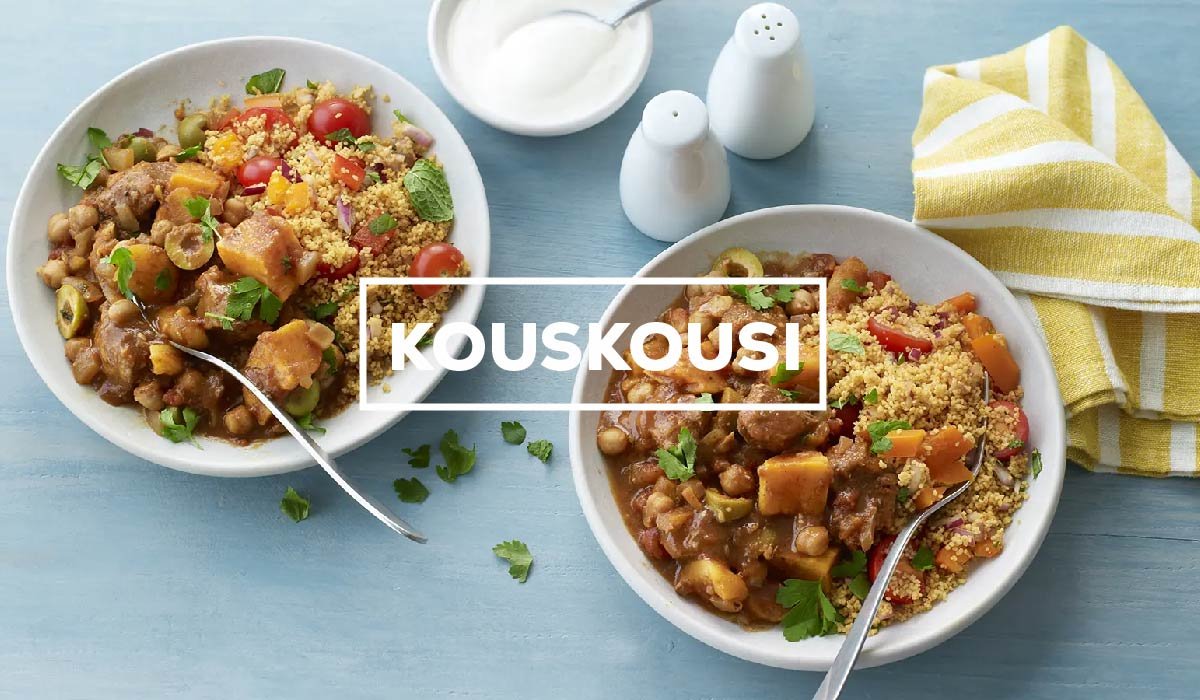
Kouskousi can be served in numerous ways, making it one of the most versatile grains available. It is traditionally paired with slow-cooked meat stews, where the grains absorb rich sauces and spices. It complements roasted vegetables, seafood, and legumes equally well. Cold Kouskousi salads mixed with herbs, tomatoes, cucumbers, and lemon dressing provide refreshing options. Sweet variations incorporate honey, nuts, and dried fruits, transforming it into a dessert or celebratory dish. It also functions effectively as a side dish or as a thickening element in soups.
Serving ideas: With lamb stew, with spiced vegetables, as a lemon-herb salad, with grilled fish, mixed with chickpeas, prepared sweet with raisins and almonds, or served alongside hearty soups.
Regional Variations and Cultural Traditions
In Morocco, Kouskousi is often prepared on Fridays as part of a weekly family gathering, symbolizing unity and gratitude. Algerian households emphasize communal dining, where multiple generations share one large dish. Tunisian variations introduce bold spices and chili-based sauces that reflect regional flavor preferences. Kous kousi also appears at weddings and religious celebrations, reinforcing its role as a ceremonial food. Eating from a shared platter strengthens bonds and reinforces the values of hospitality and generosity deeply embedded in North African culture.
Kouskousi in Modern Global Cuisine
In modern global cuisine, Kouskousi has moved beyond its regional origins to become a staple in European, American, and Middle Eastern kitchens. Fusion recipes combine it with international spices, plant-based proteins, and creative plating styles. Vegan adaptations highlight its compatibility with legumes and vegetables. Fine-dining restaurants reinterpret it with gourmet ingredients, while social media trends showcase colorful Kous kousi bowls as visually appealing and nutritious options. Its suitability for meal prep has further increased its popularity among busy professionals.
How Kouskousi Became a Global Staple
Trade expansion, migration, and globalization facilitated the spread of Kouskousi across continents. As North African communities settled in Europe and beyond, they introduced their culinary traditions to new audiences. International supermarkets began stocking pre-steamed versions, making it accessible worldwide. The growing popularity of the Mediterranean diet further increased demand for wholesome grains like Kous kousi, solidifying its place in global cuisine.
Common Mistakes to Avoid When Cooking Kouskousi
Using excessive water can make Kouskousi soggy and clumped. Failing to fluff the grains properly prevents them from separating. Overcooking reduces texture quality, while neglecting seasoning leaves it bland. Improper storage may cause moisture buildup and spoilage. Avoiding these mistakes ensures the best possible outcome.
How to Store and Preserve Kouskousi
Dry Kouskousi should be stored in an airtight container in a cool, dry place, where it can last for months. Cooked Kous kousi should be refrigerated promptly and consumed within a few days. Freezing is possible but may slightly alter the texture. Reheating should involve gentle steaming or sprinkling water before microwaving to prevent dryness.
Why Kouskousi Is Trending in Healthy Eating
The clean eating movement has increased demand for simple grains with minimal processing. Plant-based diet growth has further boosted its appeal. Whole grain awareness and the desire for quick, nutritious meals align perfectly with Kouskousi’s qualities. Its affordability and versatility contribute to its rising popularity in modern diets.
Cultural Symbolism and Emotional Value of Kous kousi
Kouskousi embodies more than sustenance; it represents family bonding and shared heritage. Generational recipes pass down culinary knowledge and cultural identity. Storytelling often accompanies its preparation, connecting past and present. In many communities, serving Kous kousi expresses hospitality and respect, reinforcing its status as a cherished cultural symbol.
Final Thoughts
Kouskousi remains timeless because it unites history, nutrition, versatility, and cultural meaning within a single dish. From ancient Berber kitchens to modern global tables, it has adapted without losing its essence. Its simple ingredients, flexible preparation methods, and profound cultural value ensure that it continues to nourish both body and spirit. Kous kousi is not merely food; it is a bridge between generations, traditions, and communities, reminding us that even the smallest grains can carry the richest stories.
For More: Globe Way Magazine