

Introduction
Pravi Celer is gaining renewed attention as people around the world rediscover the value of traditional foods and whole-plant nutrition in an age dominated by processed convenience products. As interest grows in natural living, farm-to-table eating, and zero-waste cooking, many consumers are looking beyond supermarket vegetables and exploring heritage ingredients that offer both flavor and nutritional depth.
This shift has created curiosity around the meaning of Pravi Celer and how it differs from the pale, mild celery typically sold in grocery stores. At the same time, the rise of celery juice trends and renewed interest in herbal medicine have brought Apium graveolens back into health conversations, often without understanding its full historical and botanical background.
In Balkan and Mediterranean regions, Pravi Celer has always represented more than just a vegetable; it symbolizes authenticity, sustainability, and respect for traditional cooking methods that use every part of the plant.
In this detailed guide, we will explore the meaning and linguistic roots of Pravi Celer, its botanical characteristics, nutritional profile, proven health benefits, culinary uses, growing techniques, cultural significance, and frequently asked questions, creating a complete and authoritative resource that explains why Pravi Celer deserves serious attention today.
What Is Pravi Celer?
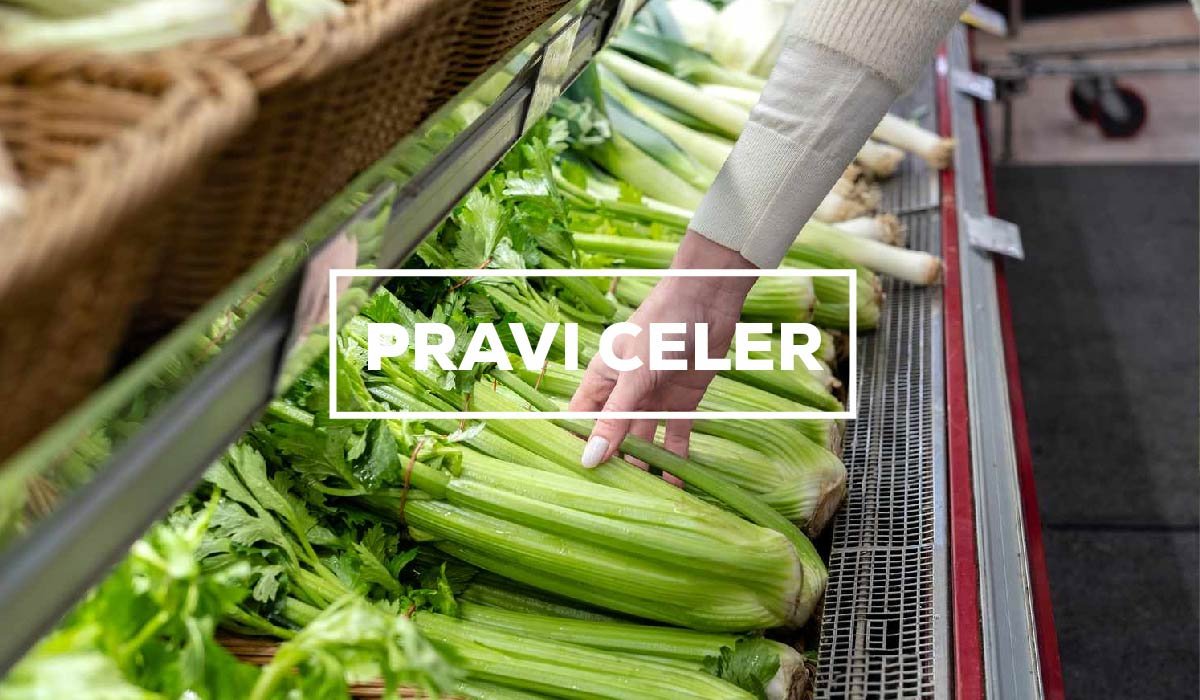
Pravi Celer is a Slavic term meaning “true celery,” referring to the traditional, whole form of the plant botanically known as Apium graveolens. It emphasizes the use of the entire plant—stalks, leaves, root, and seeds—valued for its cultural heritage, culinary versatility, and nutritional benefits in Mediterranean and Balkan traditions. Pravi Celer represents authentic, whole-plant celery used for both health and cooking.
Meaning and Origin of the Term “Pravi Celer”
The term “Pravi Celer” comes from Slavic languages such as Bosnian, Croatian, and Serbian, where the word “pravi” means true, real, authentic, or genuine, and “celer” refers to celery. Together, the phrase translates to “true celery,” a linguistic expression that highlights the plant in its most natural and traditional form rather than a heavily modified commercial variety. In many Slavic households, calling something “pravi” implies purity and integrity, particularly when referring to food, which is deeply connected to cultural identity and ancestral traditions.
The concept distinguishes traditional celery grown and used in full—from root to seed—from mass-produced supermarket celery that is often bred primarily for appearance, thickness, and water content. Pravi Celer therefore carries a deeper meaning that aligns with the philosophy of whole-plant consumption, sustainability, and minimal waste, values that have long defined Balkan culinary practices.
Rather than discarding leaves or ignoring the seeds and root, traditional cooking embraces every part, reflecting a cultural respect for nature and resourcefulness. In this sense, Pravi Celer is not only a botanical term but also a cultural expression of authenticity and natural living.
Botanical Overview of Pravi Celer (Apium graveolens)
Plant Family and Classification
Pravi Celer belongs to the Apiaceae family, a large botanical group that includes parsley, carrots, fennel, coriander, and dill, all of which share similar aromatic qualities and umbrella-shaped flower clusters known as umbels. The scientific name Apium graveolens translates roughly to “strong-smelling celery,” accurately reflecting its distinct and powerful aroma that sets it apart from many other vegetables.
Growth Cycle and Life Span
Pravi Celer is a biennial plant, meaning it completes its life cycle over two years; in the first year, it develops its leafy stalks and root system, while in the second year, it produces tall flowering stems and seeds before completing its reproductive cycle. This life structure explains why celery seeds are highly concentrated in flavor and why leaving the plant to bolt produces characteristic white umbel flowers.
Physical Characteristics
Native to the Mediterranean basin, Pravi Celer thrives in moist, nutrient-rich soils and prefers cooler growing conditions. The plant features long, ribbed stalks, bright green pinnate leaves, fibrous roots, and small aromatic seeds. Its strong scent comes from natural essential oils and compounds such as phthalides and flavonoids, which contribute both to flavor and potential health benefits.
Main Varieties of Pravi Celer
Pravi Celer includes several botanical varieties that differ in texture, flavor intensity, and culinary purpose. Stalk celery (Apium graveolens var. dulce) is the most common type worldwide and is cultivated for its crisp stems, which are mild yet aromatic when compared to wild forms. Celeriac, or root celery (Apium graveolens var. rapaceum), is grown primarily for its large, knobby root, which has a dense texture and a nutty, earthy flavor ideal for roasting, mashing, or grating raw into salads.
Leaf celery produces thinner stalks, but intensely fragrant leaves are often used as a herb in traditional cooking, especially in Eastern Europe. Wild celery, considered closer to the ancestral form, has a stronger, sometimes bitter taste and is rarely consumed raw but valued for medicinal and flavoring purposes. Each variety represents a slightly different expression of Pravi Celer, yet all share the same botanical origin and cultural importance.
Complete Nutritional Profile of Pravi Celer
Pravi Celer is composed of approximately 95 percent water, making it naturally hydrating while remaining extremely low in calories, which makes it appealing for weight-conscious diets. Despite its light texture, it contains important macronutrients including carbohydrates in small amounts and a notable supply of dietary fiber, which supports digestive health and satiety. Vitamin K is particularly abundant, playing a crucial role in blood clotting and bone metabolism, while vitamin C contributes to immune function and antioxidant protection.
The presence of vitamin A supports vision and skin health, and folate aids in cellular function and DNA synthesis. Essential minerals such as potassium help regulate fluid balance and blood pressure, calcium supports bone health, and magnesium assists in muscle and nerve function.
Pravi Celer also contains antioxidants such as apigenin and luteolin, compounds studied for their anti-inflammatory and cell-protective properties. Phthalides, another key component, are believed to contribute to vascular relaxation and improved circulation. This balanced nutritional composition makes Pravi Celer far more than a simple garnish.
Proven Health Benefits of Pravi Celer
The health benefits of Pravi Celer are supported by its nutrient density and bioactive compounds, though it is important to approach claims with scientific balance rather than exaggeration. Regular consumption may support heart health due to potassium and phthalides, which assist in maintaining normal blood pressure levels. Its antioxidants contribute to reducing oxidative stress, a factor linked to chronic disease development.
The fiber content supports digestive regularity and may help manage cholesterol levels by promoting healthy lipid metabolism. Because it is low in calories yet high in water, Pravi Celer fits naturally into weight management plans and balanced diets. Its hydrating nature supports kidney function and fluid balance, while anti-inflammatory compounds may contribute to overall immune resilience. Although celery alone is not a cure for disease, integrating Pravi Celer into a varied diet aligns with evidence-based nutritional principles that support long-term health.
Pravi Celer and Digestive Health
Pravi Celer plays an important role in digestive support because of its fiber content, which promotes regular bowel movements and contributes to a balanced gut microbiome. Fiber serves as food for beneficial gut bacteria, which in turn produce short-chain fatty acids that support intestinal health.
Celery also contains natural plant compounds and water that help soften stool and ease digestion. While celery juice has gained popularity in wellness circles, it is important to note that juicing removes much of the fiber, which is one of the most beneficial components for digestion. Whole Pravi Celer provides a more balanced nutritional profile and supports sustainable digestive health when consumed as part of regular meals rather than as a single-ingredient remedy.
Role of Pravi Celer in Heart Health and Blood Pressure
Pravi Celer contributes to cardiovascular support primarily through potassium and phthalides, compounds that help relax blood vessel walls and improve circulation. Potassium works by balancing sodium levels in the body, reducing strain on the heart and vascular system. Phthalides may assist in maintaining healthy arterial flexibility, though more research is needed to fully understand their long-term effects. When included in a diet rich in vegetables, fruits, and whole grains, Pravi Celer supports a heart-friendly eating pattern that aligns with modern nutritional recommendations.
Culinary Uses of Pravi Celer Around the World
Traditional European Cooking
In European cuisines, especially in France and Italy, celery forms the foundation of flavor bases such as mirepoix, where it is combined with onions and carrots to create depth in soups and stews.
Modern Healthy Recipes
In contemporary kitchens, Pravi Celer appears in smoothies, raw salads, green juices, and roasted vegetable dishes, appreciated for both texture and subtle aromatic notes.
Whole-Plant Cooking Philosophy
Balkan and Mediterranean traditions use stalks in broths, leaves as herbs, seeds as spices, and roots in hearty winter meals, demonstrating a holistic culinary approach that minimizes waste and maximizes flavor.
Using the Entire Plant – Stalks, Leaves, Root, and Seeds
The stalks of Pravi Celer are crisp and refreshing, suitable for both raw consumption and cooking. The leaves contain concentrated flavor and higher levels of certain nutrients, making them ideal as herbs. The root, especially in celeriac varieties, provides dense texture and earthy sweetness when roasted or mashed. Seeds are intensely aromatic and have been used both as seasoning and in traditional herbal preparations. Utilizing every part of the plant reflects sustainable and respectful food practices.
Traditional Medicine and Historical Uses
In ancient Greece, celery was associated with victory and honor, used in ceremonial crowns for athletes. Romans expanded its use into culinary and medicinal contexts, believing it supported digestion and vitality. Throughout European herbal traditions, celery seeds were valued for their diuretic properties and anti-inflammatory potential. Spiritual symbolism often linked celery to purification and protection, reinforcing its role beyond simple nourishment.
Modern Wellness Trends – Celery Juice and Natural Living
Celery juice has become popular through social media wellness movements, often promoted for detoxification and skin health. While celery juice does provide vitamins and hydration, claims of dramatic cleansing effects are not strongly supported by scientific evidence. Whole Pravi Celer offers more complete nutrition because it retains fiber and a broader nutrient spectrum. Sustainable health habits focus on balanced diets rather than single-ingredient solutions.
How to Grow Pravi Celer at Home
Growing Pravi Celer requires fertile, moisture-retentive soil with a pH between 6.0 and 7.0. Consistent watering is essential because the plant has shallow roots and wilts quickly under drought conditions. It prefers full sun to partial shade and cooler temperatures between 15–21°C for optimal germination. Seeds should be started indoors 10–12 weeks before the last frost and transplanted once temperatures stabilize. Spacing of 20–25 cm between plants allows airflow. Container growing is possible with deep pots and careful watering. Balanced fertilization supports healthy growth, while pests such as aphids and leaf miners should be monitored regularly.
Common Growing Mistakes to Avoid
Inconsistent watering often leads to hollow stalks and bitterness. Planting during peak summer heat increases bolting risk. Poor soil preparation reduces yield and flavor intensity. Skipping mulch causes moisture loss. Overfertilizing with nitrogen creates weak, leafy growth. Harvesting too early prevents full flavor development.
Environmental and Agricultural Importance
Pravi Celer contributes to sustainable agriculture through crop rotation systems and soil improvement. Its moisture needs encourage proper irrigation management, and its compatibility with organic farming practices supports local food systems. Growing celery locally reduces transportation emissions and promotes seasonal eating habits.
Pravi Celer vs Regular Store Celery – Key Differences
Pravi Celer typically has a stronger, more aromatic flavor compared to the mild, water-heavy supermarket variety. Traditional forms may contain slightly higher nutrient density because they are not bred solely for bulk and appearance. Whole-plant usage is central to Pravi Celer culture, whereas commercial celery often focuses only on stalk consumption. Growing approaches also differ, with traditional cultivation emphasizing soil richness and seasonal timing.
Safety, Allergies, and Precautions
Celery is recognized as a common allergen in parts of Europe and may cause reactions in sensitive individuals. Pregnant women should avoid excessive celery seed supplements. Individuals on blood-thinning medication should consult healthcare professionals due to the vitamin K content. Moderation and balanced consumption are key.
Why Pravi Celer Represents Authentic Whole-Food Living
Pravi Celer symbolizes cultural authenticity, sustainable living, and zero-waste cooking practices rooted in traditional wisdom. It bridges ancient heritage with modern nutritional science, encouraging a balanced approach to health that respects both history and evidence-based understanding. It stands as an example of how simple vegetables can carry profound cultural and nutritional meaning.
Conclusion
Pravi Celer offers remarkable nutritional power, culinary versatility, and deep cultural significance while supporting sustainable food practices and balanced health. By embracing the whole plant—from stalk to seed—you honor centuries of tradition while nourishing your body with vitamins, minerals, antioxidants, and natural hydration. Incorporating Pravi Celer into your meals is not simply about adding flavor; it is about reconnecting with authentic food, mindful living, and a healthier future built on simple, natural ingredients.
For More: Globe Way Magazine