

Introduction
Wollmatten are becoming increasingly popular as more people search for sustainable, natural, and long-lasting solutions for their homes and gardens. In recent years, there has been a clear shift away from synthetic, plastic-based materials toward eco-friendly alternatives that are safer for both families and the planet. As consumers become more aware of environmental impact, indoor air quality, and energy efficiency, natural wool products are gaining strong attention. Wollmatten perfectly fit this modern lifestyle because they combine comfort, durability, insulation, and sustainability in one product.
Interior design trends are also favoring texture, warmth, and authenticity. Homeowners now prefer materials that feel natural and bring a sense of calm into living spaces. Unlike synthetic rugs that may flatten quickly or release harmful chemicals, Wollmatten offers a breathable, hypoallergenic surface that enhances indoor comfort. At the same time, the rise of organic gardening and sustainable construction has expanded their use beyond floor décor into landscaping and insulation projects.
In this detailed guide, we will explore the history of Wollmatten, their types, benefits, uses in the home and garden, buying guide, maintenance tips, sustainability impact, and everything you need to know to make an informed decision. To understand their true value, we must first look at their rich historical origins.
What Are Wollmatten?
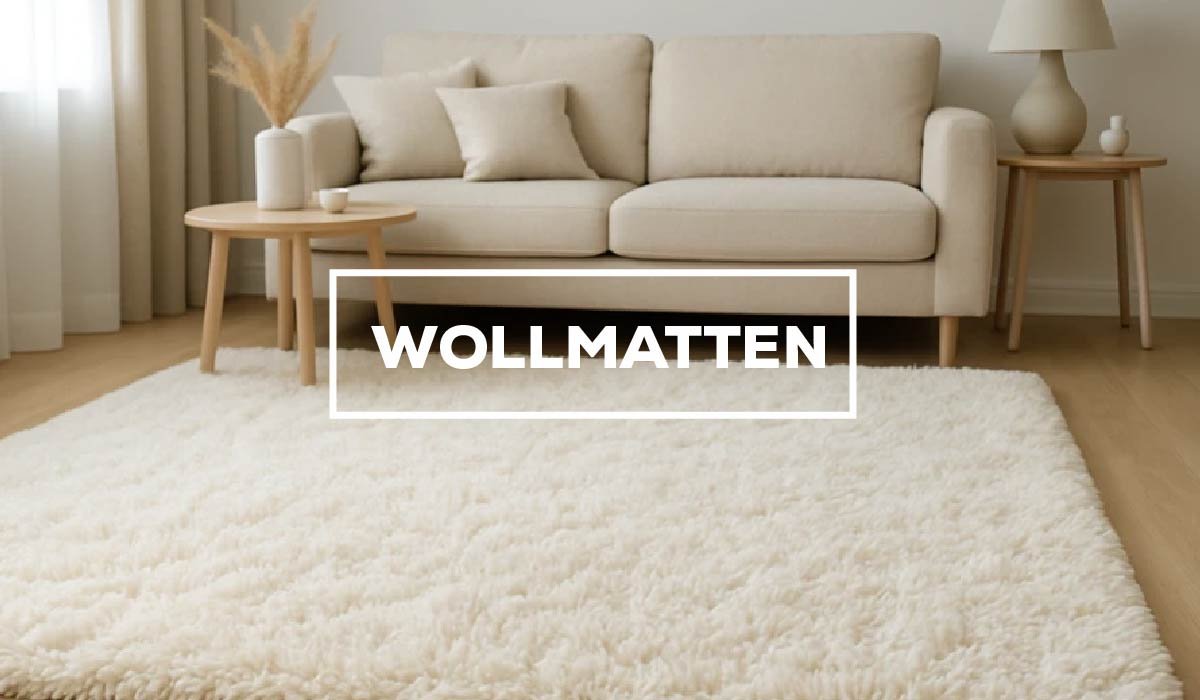
Wollmatten are wool-based mats made from natural sheep wool that are used for home décor, insulation, gardening, and sustainable living applications. These eco-friendly and biodegradable mats provide excellent thermal regulation, moisture control, and long-lasting durability. Wollmatten are versatile natural wool mats valued for comfort, insulation, and environmental responsibility.
The History and Origin of Wollmatten
The history of Wollmatten is deeply connected to the ancient use of wool in human civilization. Thousands of years ago, nomadic communities relied on sheep wool to create floor coverings, blankets, and insulating materials that protected them from harsh climates. In cold regions, wool mats were essential for warmth and survival. These early wool textiles were handmade with care and often featured symbolic patterns that represented cultural stories, tribal identity, and spiritual beliefs. Wool was not only practical but also artistic.
As trade routes expanded, wool rugs and mats spread into Middle Eastern and European homes. During the Renaissance era, wool floor coverings became a symbol of wealth and craftsmanship. Wealthy families displayed beautifully woven wool mats as decorative pieces that showcased status and taste. Over time, production techniques improved, moving from purely handmade artisan weaving to more organized workshops and eventually modern manufacturing processes.
Today, Wollmatten continues this legacy by combining traditional craftsmanship with modern technology. While originally used only as floor coverings, they have evolved into multifunctional design elements used in homes, gardens, and eco-construction projects, proving their timeless value.
How Wollmatten Are Made
The production of Wollmatten begins with sourcing natural sheep wool, which is a renewable and biodegradable resource. After sheep are sheared, the raw wool is thoroughly cleaned to remove dirt and impurities. This washing process ensures the fibers remain healthy and strong. The wool is then carded, meaning the fibers are brushed and aligned to prepare them for shaping or weaving. At this stage, manufacturers choose different techniques depending on the desired type of Wollmatte.
Felting involves compressing wool fibers using heat, moisture, and pressure until they bind together naturally. Weaving interlaces wool yarn into structured patterns, while tufting inserts loops of wool into a backing material. Hand-knotted Wollmatten are created by tying individual knots, resulting in high durability and detailed patterns. Machine-made versions use automated looms for efficiency and affordability. What makes wool fibers unique is their natural lanolin content, elasticity, and tiny air pockets. These properties allow Wolmatten to regulate temperature, absorb moisture without feeling wet, resist dirt, and maintain their shape over time.
Types of Wollmatten Available Today
There are several types of Wollmatten available, each offering distinct textures, durability levels, price ranges, and design styles. Shaggy Wolmatten features long, soft fibers that create a plush and cozy surface, making them ideal for bedrooms and relaxation spaces. Flatweave Wolmatten are thinner and lighter, perfect for high-traffic areas like hallways or living rooms because they are easy to clean and maintain. Hand-knotted Wollmatten are premium options known for their durability and intricate patterns, often lasting decades when properly cared for.
Hand-tufted Wollmatten offer a balance between quality and affordability, providing stylish designs with moderate durability. Machine-made Wolmatten are budget-friendly and suitable for everyday use in busy households. Organic or untreated wool is processed without harsh chemicals, making it ideal for environmentally conscious buyers and allergy-sensitive homes. Garden wool mats are specifically designed for landscaping and plant care, offering moisture retention and soil insulation. Each type serves a different purpose, allowing buyers to select according to their lifestyle needs and design preferences.
Benefits of Using Wollmatten in Your Home
One of the greatest advantages of Wollmatten is its natural thermal insulation. Wool fibers trap air, which helps keep homes warm in winter and cool in summer, reducing energy consumption. This makes Wolmatten an energy-efficient choice that can contribute to lower heating and cooling costs. They also absorb sound, making them ideal for apartments or busy homes where noise reduction improves comfort. Their hypoallergenic properties mean they resist dust mites and mold better than synthetic carpets, which supports healthier indoor air quality.
Wollmatten are highly durable and can maintain their structure even after years of foot traffic. The natural elasticity of wool allows the fibers to bounce back instead of flattening permanently. They are also naturally flame-resistant due to wool’s high ignition temperature. Comfort underfoot is another major benefit, as walking on a wool mat feels soft and warm. Combined with their luxurious appearance and long lifespan, Wolmatten provide both functional and aesthetic value in everyday living.
Wollmatten for Interior Design and Home Décor
Wollmatten play a powerful role in interior design because they instantly add warmth, texture, and character to a space. In living rooms, a large Wollmatte placed beneath a sofa creates a cozy focal point and visually connects furniture pieces. In bedrooms, placing a soft wool mat beside the bed ensures comfort during cold mornings. Entryways benefit from durable flatweave Wollmatten that add style while handling daily traffic.
Scandinavian interiors often use neutral-toned Wollmatten to create minimal yet inviting spaces, while rustic cabins feature thick wool rugs for warmth and authenticity. Modern minimalist homes may choose simple monochrome designs, whereas bold color statement Wollmatten can transform a plain room into a vibrant environment. Layering rugs is another popular trend where smaller wool mats are placed over larger natural fiber carpets to create depth and visual interest. Through thoughtful placement, Wollmatten influences mood and atmosphere by making rooms feel more welcoming and balanced.
Wollmatten in Gardening and Landscaping
Beyond home interiors, Wollmatten are highly valued in gardening and landscaping. When placed around plants, wool mats help retain soil moisture, reducing the need for frequent watering. This is particularly beneficial in dry climates. They also act as a natural weed barrier by blocking sunlight from reaching unwanted plants. During winter, Wollmatten protects plant roots from frost and sudden temperature changes.
Garden wool mats gradually break down over time, enriching the soil with nutrients. Because they are biodegradable, they serve as a sustainable alternative to plastic mulch sheets. Organic farmers appreciate Wollmatten for their compostable qualities and chemical-free structure. By improving soil conditions and supporting plant health naturally, Wollmatten offers gardeners an eco-friendly solution.
Wollmatten in Construction and Insulation
In modern construction, Wollmatten are increasingly used for insulation purposes. Wool fibers naturally trap air, making them effective at regulating indoor temperature. When installed in walls, roofs, or under floors, they reduce heat loss and improve overall energy efficiency. This can significantly lower energy bills over time. Wollmatten also manages humidity by absorbing excess moisture and releasing it gradually, helping prevent mold growth.
Their soundproofing properties make them ideal for reducing noise between rooms or floors. Sustainable building trends are embracing natural insulation materials, and Wollmatten fits perfectly within eco-conscious architecture. Builders seeking renewable and biodegradable alternatives are turning to wool mats as part of green construction practices.
Sustainability and Environmental Impact of Wollmatten
The environmental value of Wollmatten is one of its strongest selling points. Wool is a renewable resource, as sheep produce new fleece each year. Unlike synthetic materials derived from petroleum, Wollmatten are biodegradable and do not contribute to long-term pollution. Their production generally requires less energy compared to plastic-based alternatives.
Ethical wool sourcing ensures animal welfare and responsible farming practices. Choosing Wolmatten supports circular economy principles where natural materials are reused and eventually returned to the earth safely. By replacing synthetic rugs with wool mats, households reduce their carbon footprint and support zero-waste lifestyles. For environmentally conscious consumers, Wollmatten represents a responsible and future-oriented choice.
How to Choose the Right Wollmatten for Your Needs
Selecting the right Wollmatten requires considering size, thickness, usage, and budget. Larger rooms may need oversized mats to anchor furniture, while smaller spaces benefit from compact designs. Thicker Wolmatten provide more cushioning, whereas thinner flatweaves are easier to clean. For high-traffic areas, durability and density are important factors.
Indoor Wollmatten focus on comfort and design, while outdoor or garden versions prioritize strength and weather resistance. Buyers should examine fiber quality, backing material, and overall density before purchasing. Avoid products labeled as “wool blend” if seeking pure wool benefits. A thoughtful selection ensures long-term satisfaction.
Maintenance and Care Guide for Wollmatten
Proper maintenance extends the life of Wollmatten significantly. Regular vacuuming removes dust and dirt without damaging fibers. Spills should be blotted immediately using a clean cloth rather than rubbed. Mild soap solutions are suitable for deeper cleaning, but harsh chemicals should be avoided. Rotating the mat occasionally ensures even wear and prevents fading in areas exposed to sunlight.
Professional cleaning every few years helps maintain appearance and durability. When storing Wollmatten, keep them in dry conditions to prevent moisture damage. With consistent care, wool mats can maintain their beauty and function for decades.
Common Mistakes to Avoid When Buying Wollmatten
Many buyers mistakenly choose synthetic blends, believing they are purchasing pure wool. It is essential to verify material composition. Selecting the wrong size can disrupt the room balance. Ignoring density and backing quality may reduce durability. Some people focus only on price instead of long-term value. Understanding these common mistakes ensures smarter purchasing decisions.
Wollmatten vs Synthetic Mats
When comparing Wollmatten with synthetic mats, wool clearly offers superior comfort and breathability. Synthetic mats may be cheaper but often lack durability and environmental responsibility. Wool regulates temperature and moisture naturally, while synthetic materials can trap heat and release chemicals. Although the initial cost may be higher for Wollmatten, their lifespan and health benefits make them a better long-term investment.
Why Wollmatten is a Long-Term Investment
High-quality Wollmatten can last between 10 and 30 years, depending on craftsmanship and care. When calculating cost per year of use, wool mats often prove more economical than cheaper synthetic alternatives that require frequent replacement. Their timeless style enhances property aesthetics and aligns with sustainable living principles. Investing in Wollmatten is both financially and environmentally wise.
Final Thoughts
Wollmatten combines comfort, durability, and sustainability in a way few materials can match. From home décor to gardening and construction, their versatility makes them valuable across multiple applications. Their biodegradable nature and renewable origin support eco-friendly living, while their thermal and acoustic benefits improve everyday comfort. Choosing Wollmatten is not simply about decoration but about making a responsible, long-term decision that benefits both the home and the environment.
For More: Globe Way Magazine